REVIEW · CUSCO
From Cusco: City tour 4 ruins + Qoricancha
Book on GetYourGuide →Operated by Chullos Travel Peru · Bookable on GetYourGuide
Stone walls and sacred water in one day. This Cusco city tour strings together major Inca sites with the religious complex Qoricancha, then adds the Spanish-era layer through the way your guide explains the sacred spaces and the history around them. I like that you’re not just shown rocks and buildings—you get a clear story in English and Spanish as you move.
My favorite part is the mix of sites: the massive stone engineering at Sacsayhuamán, plus smaller stops like Qenqo and Puca Pucara that feel more ritual and defensive than just scenic. One possible drawback is that the schedule can include detours for shopping or extra stops, so if you hate time wasted at stores, go in with a plan to keep your priorities in view.
In This Review
- Key points to know before you go
- Why this Cusco city tour is worth your time
- Plaza de Armas meeting points and what a smooth start looks like
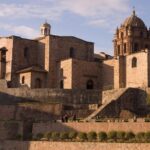
- Qoricancha (Temple of the Sun): the religious complex that sets the story
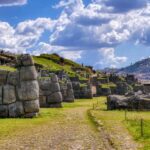
- Sacsayhuamán: the stone walls that define Cusco’s engineering
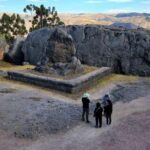
- Qenqo: a ceremonial center built into natural rock
- Puca Pucara: terraces and stairways in the defensive system
- Tambomachay: water worship, canals, and fountains
- Timing strategy: morning vs afternoon shift (and Sunday caveats)
- What’s included in the $11 price—and what you must budget
- Altitude and comfort: what to bring for a 5-hour ruins day
- Who this tour suits (and who should skip it)
- Choosing a guide: look for clear explanations and calm problem-solving
- Should you book this Cusco city tour?
- FAQ
- How long is the Cusco city tour?
- Where does the tour start?
- What are the main stops on the tour?
- Are entrance fees included in the $11 price?
- Does the tour include transport and a guide?
- Is pickup included from hotels?
- What languages are offered?
- What should I bring?
- Is coca tea recommended for altitude sickness?
- Is the tour suitable for vertigo?
- What is the cancellation policy?
- Are there rules about alcohol or pets?
Key points to know before you go
- Qoricancha first: you start at the Temple of the Sun complex near Plaza de Armas, with a guided walkthrough to set the tone.
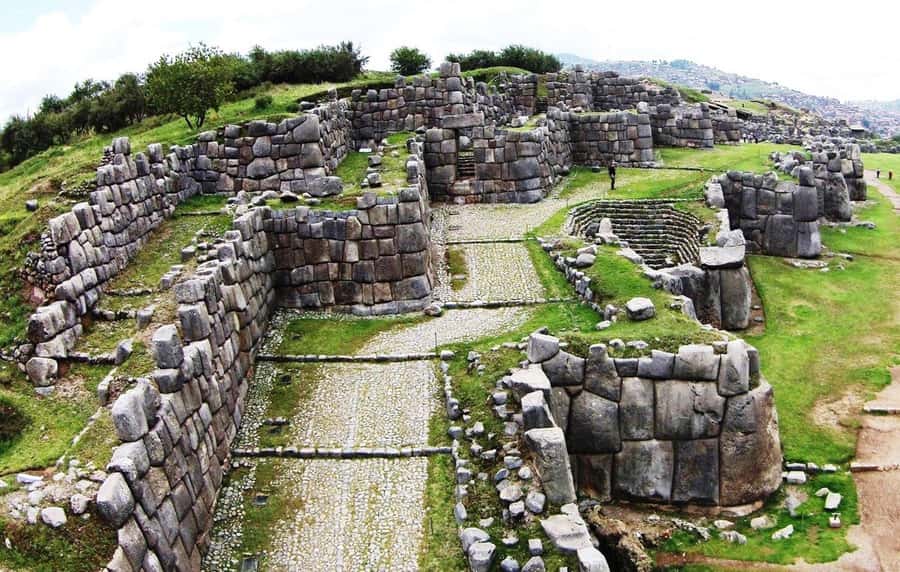
- Big-stone wow at Sacsayhuamán: the stop focuses on Inca military architecture and how perfectly fitted stones still look.
- Ceremony and ritual sites: Qenqo and Puca Pucara add a different feel than the main ruins.
- Water-and-purification finish: Tambomachay shifts from war and ritual to canals, fountains, and worship of water.
- Entrance fees not included: the $11 price covers transport and the guide, but you’ll still need tickets for sites.
- Not for vertigo: if you get motion or height anxiety, this ruins-heavy route may not be your friend.
Why this Cusco city tour is worth your time
Cusco can be a lot at first: altitude, busy streets, and way too much information thrown at you all at once. This tour helps you get your bearings fast by doing five major stops in about 5 hours, starting right in the heart of town. You get a structured route with transport, a bilingual guide, and enough time at each place to actually understand what you’re looking at.
The real value is that it explains the connections. You’re not only seeing “Inca ruins,” you’re also learning how Inca and Spanish narratives meet in Cusco’s sacred spaces. That matters because the stones and buildings you’ll see today are only part of the story. Your guide’s job is to connect what happened, why it mattered, and what survived.
I also like that the route avoids trying to do everything far away. Instead, it packs key sites around Cusco that help you understand how the city worked: worship (Qoricancha), defense (Sacsayhuamán, Puca Pucara), and ceremonial life (Qenqo). If you want an efficient first taste of Cusco’s archaeology, this hits the right balance.
You can also read our reviews of more city tours in Cusco
Plaza de Armas meeting points and what a smooth start looks like
You’ll meet at Plaza de Armas. There are two departure windows:
- Morning shift: 8:40 a.m. to 9:00 a.m. start, ending around 2:30 p.m.
- Afternoon shift: 12:40 p.m. to 1:00 p.m. start, ending around 6:30 p.m.
On Sundays, times may shift because some sites open later. This is normal in Cusco, so don’t treat the schedule like a machine. If you’re planning anything right after the tour, build in buffer time.
One practical detail: pickup is included, but you’ll need to listen for the guide. The guide will write or call you about 15 minutes before pick-up, and you should wait around 10 minutes in the hotel lobby. If you’re hard to reach, you’ll lose that window and spend time chasing the right group.
And bring the basics. You’ll want comfortable shoes, a camera, sunscreen, sunglasses, and a hat. Cusco sun can be sneaky even when the temperature feels mild.
Qoricancha (Temple of the Sun): the religious complex that sets the story
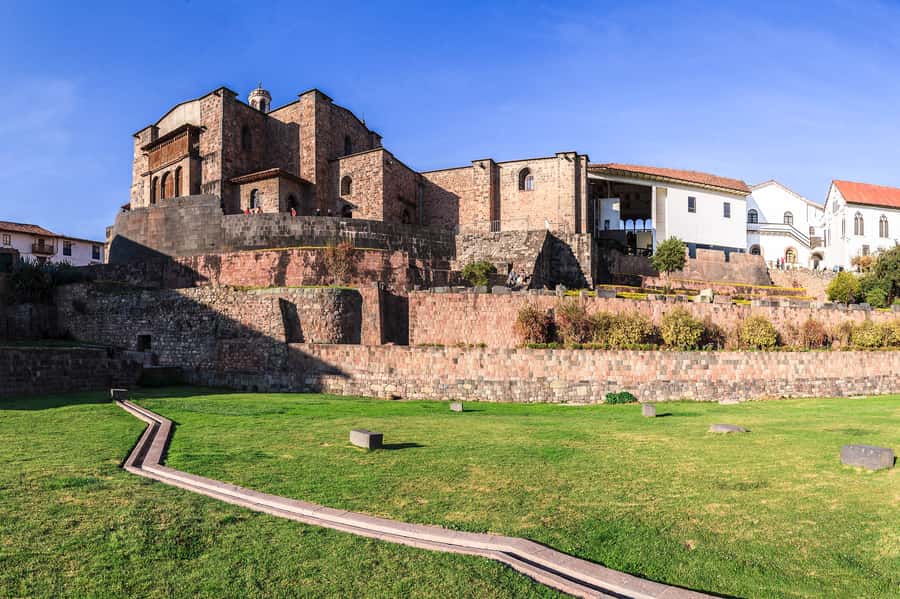
The tour begins with a short walk—about three blocks—from Plaza de Armas to Qoricancha, the Temple of the Sun. This is where your guide sets up the day. Think of it as the “why” before you see the “what.”
What you’ll get here is historical framing. Qoricancha matters because it’s not just an archaeological stop—it’s a religious complex tied to Inca beliefs. The tour description also promises a mixture of Inca and Spanish perspectives, and this is where that contrast usually comes through most clearly in how the guide explains sacred space.
You’ll likely spend enough time to understand:
- why Qoricancha was central to Inca religious life
- how later history changed the way people used and interpreted the area
- what details to look for as you move on to the other sites
Tip for photos: this is a “first stop” site, meaning your phone camera and attention span will be at their best right now. Don’t save all your photos for the last ruin. Capture Qoricancha early, when you still have energy.
Also, if you’re sensitive to crowds, remember this is a popular location near Plaza de Armas. You’ll still be with a guide, but the surrounding area can be busy.
Sacsayhuamán: the stone walls that define Cusco’s engineering
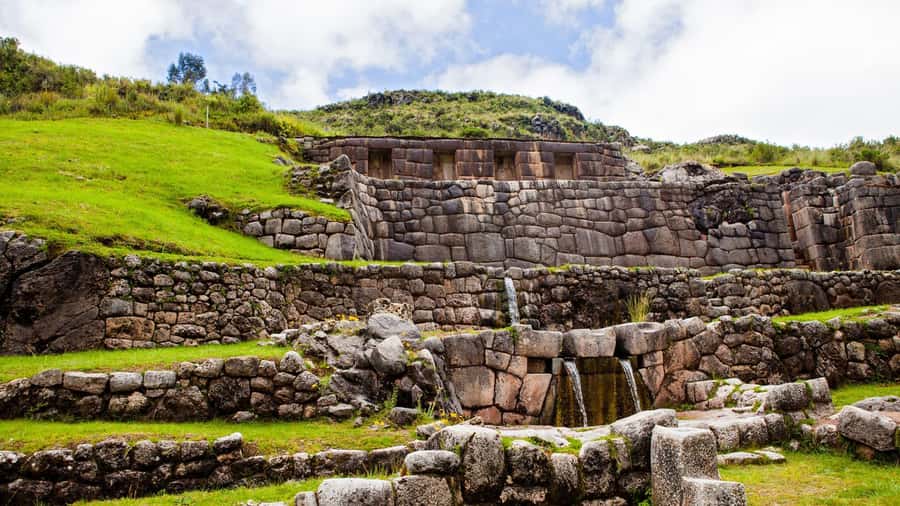
Next up is Sacsayhuamán, one of Cusco’s most famous Inca sites. The focus here is Inca military architecture, especially those imposing, tightly assembled stone walls.
This stop is often what people mean when they say Inca engineering looks unreal. Even if you’ve seen photos, being there in person helps you understand the scale and how deliberate the construction is. The guide’s framing makes a difference: you’re not only looking at walls, you’re learning that the layout served defensive and strategic purposes.
What you should expect in practice:
- A strong “wow” factor
- More time spent absorbing the walls’ shapes and stonework than walking between tiny highlights
- Explanations that tie design choices to the Inca’s needs
One caution: ruins sit on uneven terrain. If you have mobility issues, go slow and wear shoes with solid traction. And if you have vertigo, this kind of site may not be a safe fit, since you’ll be moving around platforms and edges.
Qenqo: a ceremonial center built into natural rock
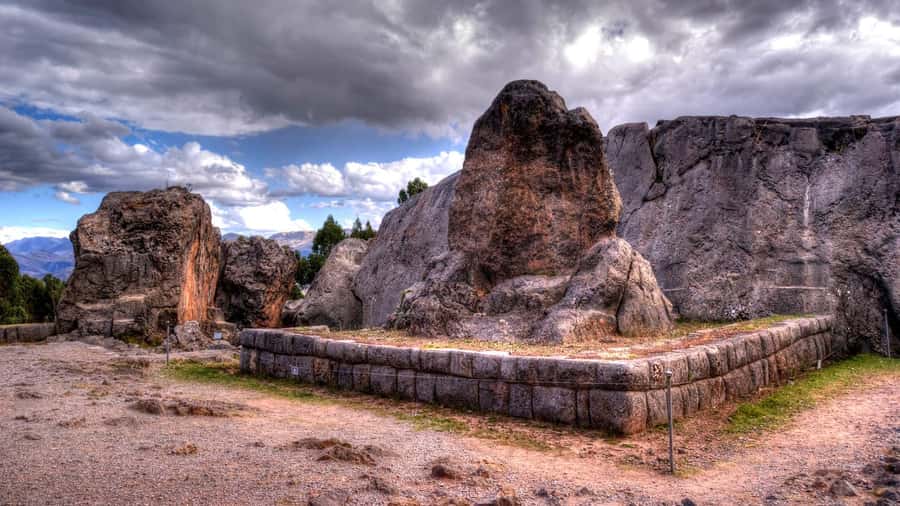
After the big-scale stone spectacle, you’ll head to Qenqo, described as an ancient ceremonial center built on a natural rock formation. This stop changes the mood. Instead of defensive walls, you’re looking at ritual space—places meant for ceremonies, not military displays.
The setting matters. When a site uses natural rock features, it usually affects how people moved through it and how they viewed the location. A good guide helps you notice things like how the space is shaped for gathering, ritual movement, and focused attention.
In a tight 5-hour schedule, this is exactly why Qenqo is useful. It adds variety. Without it, the tour would feel like only fortifications. With it, you get a more balanced picture of everyday Inca life and belief.
Practical note: keep your water in mind. The tour includes transport, but you should still pace yourself and take short pauses when you need them. Cusco altitude can make “easy walking” feel like a workout.
Puca Pucara: terraces and stairways in the defensive system
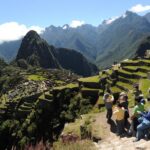
Next is Puca Pucara, a military fortress connected to Cusco’s defensive system. Here you’ll see walls, terraces, and stairways—elements that help you understand how the area functioned as part of a larger security network.
This stop is for you if you like structure and planning. Defensive architecture tends to tell a clearer story about strategy: elevation, lines of sight, controlled access, and movement paths. Even if you’re not a history nerd, your guide’s explanations should make the layout click.
What can be tricky with Puca Pucara is time. In a packed route, ruins can feel like a checklist. If you want to linger, you’ll need to be selective about which angles and details matter most to you. Bring your curiosity, but don’t expect hours of free roaming.
If shopping detours happen (they sometimes do on similar city routes), this is the kind of stop where you’ll notice it. Extra time spent elsewhere can make you feel rushed here. So keep your expectations realistic: the goal is understanding, not long, slow wandering.
Tambomachay: water worship, canals, and fountains
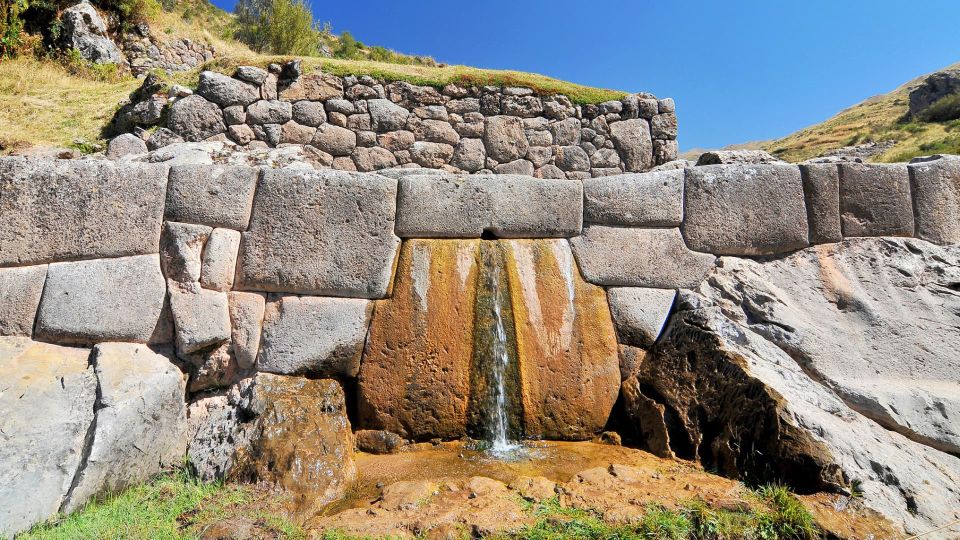
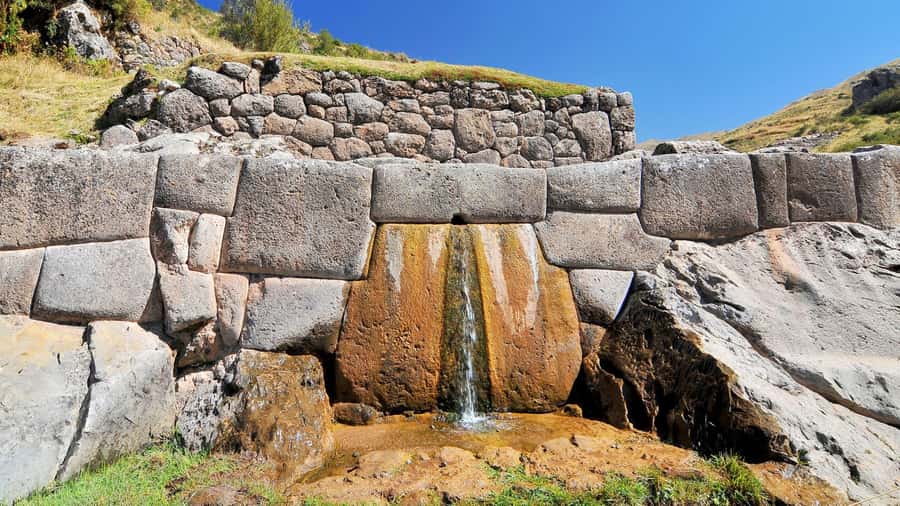
You’ll finish at Tambomachay, an archaeological site associated with worship of water and purification. The big visual focus here is the presence of canals and fountains.
It’s a satisfying ending because it shifts themes. After war and ceremony, you’re handed an element that’s both practical and spiritual: water. In Cusco, water isn’t just a resource—it’s tied to belief, cleansing rituals, and sacred relationships with the landscape (even when you’re standing in the modern city rather than in a remote region).
Tambomachay also tends to feel a little more relaxing compared to the fortress-style stops. That’s helpful if you’re fighting altitude fatigue by late afternoon.
Photo tip: don’t just photograph water features. Try to capture the relationship between channels and the way the site is laid out. That’s where your guide’s explanations can help your eyes understand what the stones and curves were doing.
Timing strategy: morning vs afternoon shift (and Sunday caveats)
Pick your shift based on energy and how your body handles altitude.
Morning shift (ending ~2:30 p.m.) is a great choice if you want to:
- start early with clear daylight
- keep the rest of your day open for slower exploration
- reduce the chance you’ll feel wiped out before dinner
Afternoon shift (ending ~6:30 p.m.) can work well if you prefer:
- sleeping in a bit
- time for a relaxed breakfast
- a more leisurely pace on your first exploration day
On Sundays, be flexible. Some sites open later, and your timing can shift because of that. If you have another ticketed activity later the same day, give yourself a buffer so you don’t end up stressed.
Also, if you’re arriving in Cusco for the first time, consider doing this on a day when you can keep your plans simple. The tour is only 5 hours, but you’re still dealing with walking on uneven ground, sun, and altitude.
What’s included in the $11 price—and what you must budget
The price is $11 per person, and what you’re paying for is straightforward:
- tourist transport
- a bilingual tour guide (Spanish/English)
Entrance fees are not included. That means your real cost depends on what tickets you buy for the sites. A boleto turistico is the standard way to handle multiple archaeological entrances, and it can save money if you plan more sites during your stay.
One helpful budgeting tip: if you’re considering the full set of parks rather than only a couple, it can make sense to buy the tourist ticket that covers multiple archaeological areas. In practice, people sometimes choose the full ticket (and students often have a reduced fare). Even if you don’t know your full plan yet, it’s worth asking at the ticket office what passes cover the specific places you want.
If you do only this tour and nothing else, you might just pay entrances à la carte. The key is to not be surprised when you get to the ticket point.
Altitude and comfort: what to bring for a 5-hour ruins day
Cusco’s altitude can hit fast. The tour info includes a helpful suggestion: drinking coca tea before the tour can help prevent altitude sickness. It’s a common Andean practice, and it’s smart to try it before you start climbing, even if you’ve felt fine the day before.
Comfort-wise, plan for sun and dryness:
- Bring a hat
- Use sunscreen
- Keep sunglasses
- Wear shoes that grip
And watch the rules in the vehicle. You’re not allowed to bring alcohol or drugs, and drinks in the vehicle aren’t allowed. There’s also a no-pets rule and a general no-littering requirement.
If you’re the kind of traveler who likes water breaks, you’ll still need to be sensible. The tour description doesn’t list water as included, so plan on using what you’ve brought or bought on your own.
Who this tour suits (and who should skip it)
This tour is a good fit if you want:
- an efficient overview of major Cusco archaeological highlights
- an organized route with a guide who speaks English and Spanish
- a blend of sacred sites and defensive architecture
- a first-timer-friendly structure starting from Plaza de Armas
It’s also useful if you plan to do more Cusco sites afterward. After Qoricancha and the fortresses, you’ll have context that makes the rest of your trip easier to understand.
Who should reconsider:
- People with vertigo. The itinerary includes archaeological areas with changing elevations and uneven footing.
- Anyone who hates shopping detours. Extra time can be spent on stops that aren’t the main ruins focus, which can make the last sites feel rushed.
Choosing a guide: look for clear explanations and calm problem-solving
Your tour includes a bilingual guide, and guide quality matters a lot on this kind of route. In the info you provided, there are examples of different guides with strong feedback. Werner is described as attentive, Angélica is praised for history explanations, and Sam is noted for fixing a confusing check-in situation.
What you can do as a smart traveler:
- arrive early enough to find your group
- be ready with your ID/passport
- ask questions during Qoricancha and Sacsayhuamán when your brain is freshest
A good guide doesn’t just point. They help you connect stones to meaning.
Should you book this Cusco city tour?
I’d book this tour if you want a fast, organized introduction to Cusco’s key archaeological sites and you’re happy to pay for entrances separately. At $11 for transport and a bilingual guide, the value is strong—especially if you’re doing this on your first or second day and you want to learn the big story quickly.
I wouldn’t book it if your top priority is slow, quiet exploration of a single site, or if you’re sensitive to crowds, detours, or uneven terrain. Also skip it if vertigo is a concern.
If you want maximum enjoyment, do this when you have energy, wear traction-friendly shoes, and keep your expectations realistic: you’re covering a lot, so your best move is to focus your attention—one or two details per stop—and let the guide connect the rest.
FAQ
How long is the Cusco city tour?
The duration is about 5 hours.
Where does the tour start?
It starts at Cusco’s Plaza de Armas, with departures in a morning shift and an afternoon shift.
What are the main stops on the tour?
You visit Qoricancha (Temple of the Sun), Sacsayhuamán, Qenqo, Puca Pucara, and Tambomachay.
Are entrance fees included in the $11 price?
No. Entrances (boleto turistico) are not included.
Does the tour include transport and a guide?
Yes. Tourist transport and a bilingual tour guide (Spanish, English) are included.
Is pickup included from hotels?
Pickup is included. The guide will write or call you about 15 minutes before pickup, and you should wait in the hotel lobby.
What languages are offered?
The tour guide speaks Spanish and English.
What should I bring?
Bring a passport or ID card, comfortable shoes, sunglasses, sunscreen, and a camera (plus a hat is required).
Is coca tea recommended for altitude sickness?
Yes. Drinking coca tea before the tour can help prevent altitude sickness.
Is the tour suitable for vertigo?
No, it is not suitable for people with vertigo.
What is the cancellation policy?
You can cancel up to 24 hours in advance for a full refund.
Are there rules about alcohol or pets?
Yes. Pets are not allowed, and alcohol and drugs are not allowed (including no alcoholic drinks in the vehicle).