REVIEW · CUSCO
1 day excursion to Waqrapukara
Book on GetYourGuide →Operated by Journey Peru SAC · Bookable on GetYourGuide
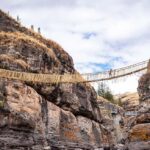
At 5 a.m., Waqrapukara feels like a secret. I love seeing the majestic Inca construction up close, then catching the panoramic views that open as the morning light hits the Andes. It’s a great way to get out of Cusco and feel how far people once walked just to survive here.
One thing to plan for: this trip includes a roughly 2-hour hike. If you’re sensitive to altitude or prefer an easier pace, you’ll want to take it slow from the start.
You’ll also get a bilingual guide, plus breakfast and lunch to keep you going on a long day. The overall rhythm is early start, scenic walking, then a guided sweep of the most important parts of the site.
In This Review
- Key points before you go
- Waqrapukara at 5:00 a.m.: the early start that pays off
- Sangarara first stop: a practical way to set the day’s rhythm
- The 2-hour hike: wildlife, footing, and altitude reality
- Reaching the ruins: Sun Gate, terraces, and enclosures
- Panoramic views and photo time: how to pace your stops
- Food, comfort, and the small extras that matter on a long day
- Price and logistics: what $50 really buys you
- Who should book Waqrapukara—and who should think twice
- Should you book this Waqrapukara day trip?
- FAQ
- How long is the Waqrapukara excursion?
- What time is hotel pickup in Cusco?
- Is transportation included?
- What’s included in the price, and what is not?
- How long is the hike?
- What languages will the guide speak?
- What should I bring for the day?
- Is there medical or altitude support included?
- Is the tour cancellable?
Key points before you go
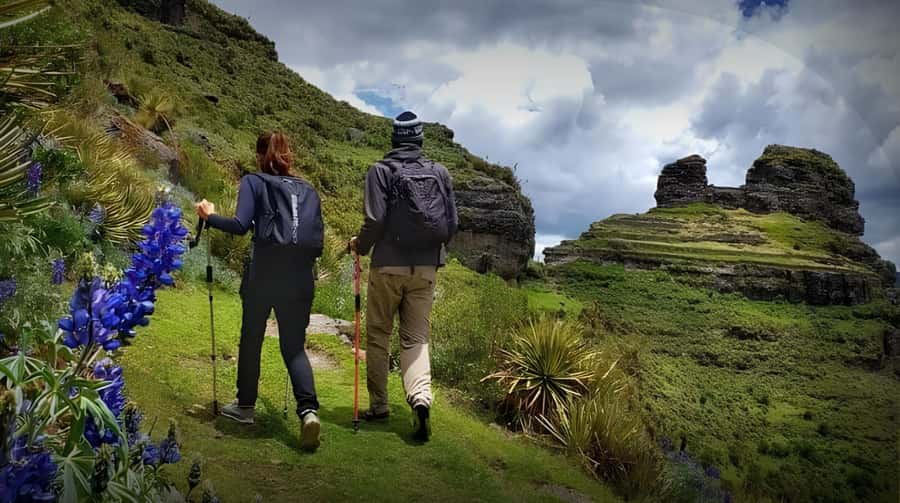
- A 5:00 a.m. hotel pickup means you’ll beat the day’s rush and get better light for photos
- Wildlife on the trail can include llamas, alpacas, vicuñas, and horses in the area around Sangarara
- Guided access to Sun Gate, terraces, and enclosures helps you understand what you’re looking at
- Walking sticks plus first-aid supplies and oxygen are included for peace of mind on the hike
- The Waqrapukara entrance fee is not included so budget a little extra
Waqrapukara at 5:00 a.m.: the early start that pays off
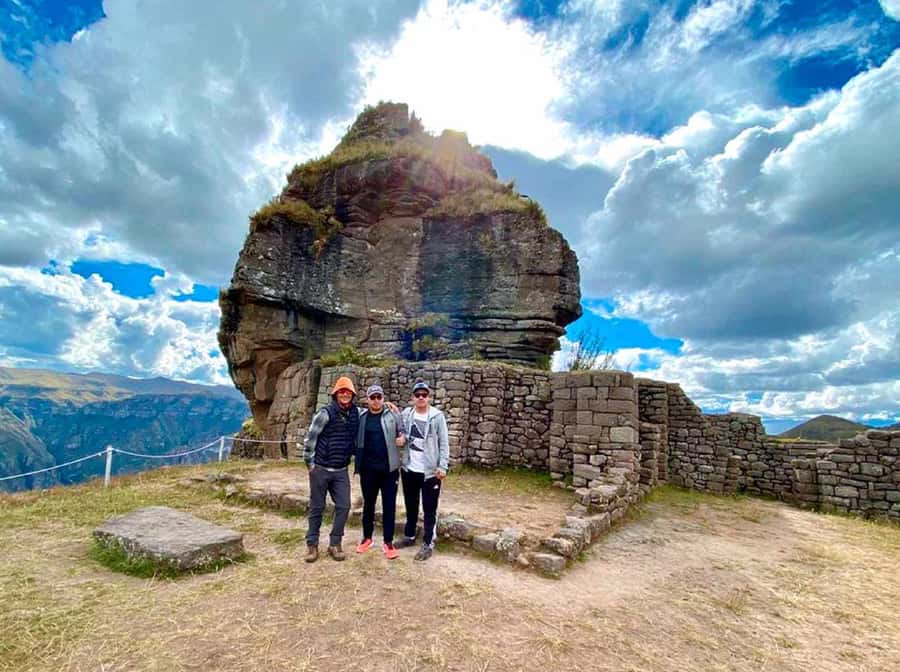
Waqrapukara isn’t a quick look-see. It’s a long day built around walking, altitude, and Inca stonework that rewards patience. The pickup near the historic center of Cusco starts at 5:00 a.m., and that early hour is exactly why the day feels special. You’re already moving while the rest of the city is still waking up.
If you’re on your first real excursion to higher ground, this timing also helps you acclimate gradually. You’re not just jumping into the site cold and tired. Instead, you’ll ease into the day with transportation, a first stop in the region, then a hike.
The morning route heads south of Cusco toward Sangarara, where you’ll make an initial stop before heading toward the trail start. That “warm-up” step matters, because the hike doesn’t start the second you step out of the van.
You can also read our reviews of more tours and experiences in Cusco


Sangarara first stop: a practical way to set the day’s rhythm
The first stop is in the village area of Sangarara. You don’t just pass through it. You get a moment to re-set your focus, hydrate, and get ready for the walking portion.
This is also where the tour’s tone becomes clear: you’re moving through working Andean countryside, not a staged sightseeing corridor. As you continue along a zigzagging road to the parking lot, you’ll feel the terrain changing under you. That road approach is part of the experience. It signals that Waqrapukara is remote by design.
Even the way the day is paced helps. You’ll have the early start, then a planned jump into the hike. That makes it easier to manage your energy instead of bouncing around with surprise timing.
The 2-hour hike: wildlife, footing, and altitude reality
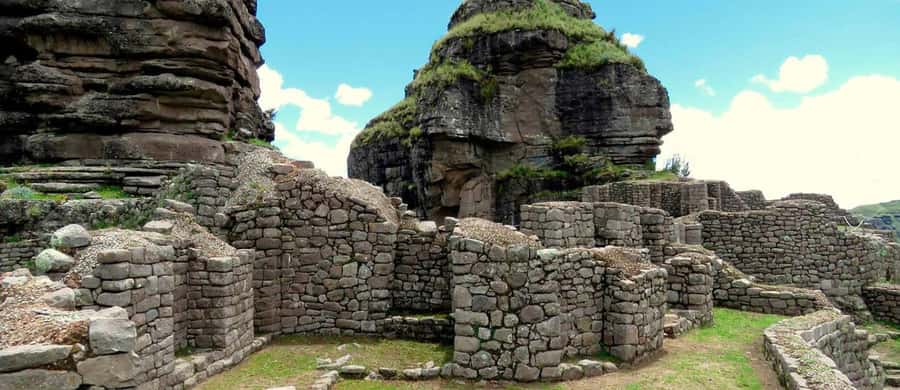
From the parking lot, you’ll begin the hike, which takes about 2 hours (the walking time can feel longer if you move at a slower altitude pace). This is where your preparation pays off.
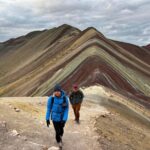
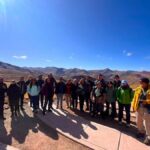
You’ll walk through areas where local flora and fauna are common. The tour specifically mentions animals you may spot during the trek, including llamas, alpacas, vicuñas, and horses. Seeing them in their natural setting gives you a different kind of perspective than a photo caption. It also reminds you that Inca sites sit within living ecosystems.
Footing and comfort are worth taking seriously. Hiking shoes are a must. The tour provides walking sticks, which help on uneven ground and when your legs start to tire. If you’re prone to cramping at altitude, walking sticks can be the difference between “I’ll push through” and “I’m actually enjoying this.”
Altitude is the quiet wildcard. There’s no claim this is gentle, and the day starts high and stays high. If you’re new to high elevation, take smaller steps and breathe steadily. Don’t measure success by speed; measure it by still feeling good when you arrive.
Reaching the ruins: Sun Gate, terraces, and enclosures
Once you arrive at the archaeological complex, you’ll get a guided tour. This is one of the best ways to get value from Waqrapukara, because the site isn’t just stones on a hill. You’ll be walked through the key sections so your eyes know where to go.
The guide visits specific areas, including:
- Sun Gate
- Terraces
- Enclosures
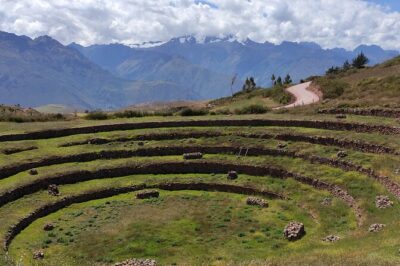
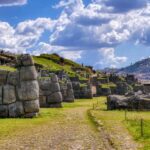
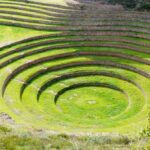
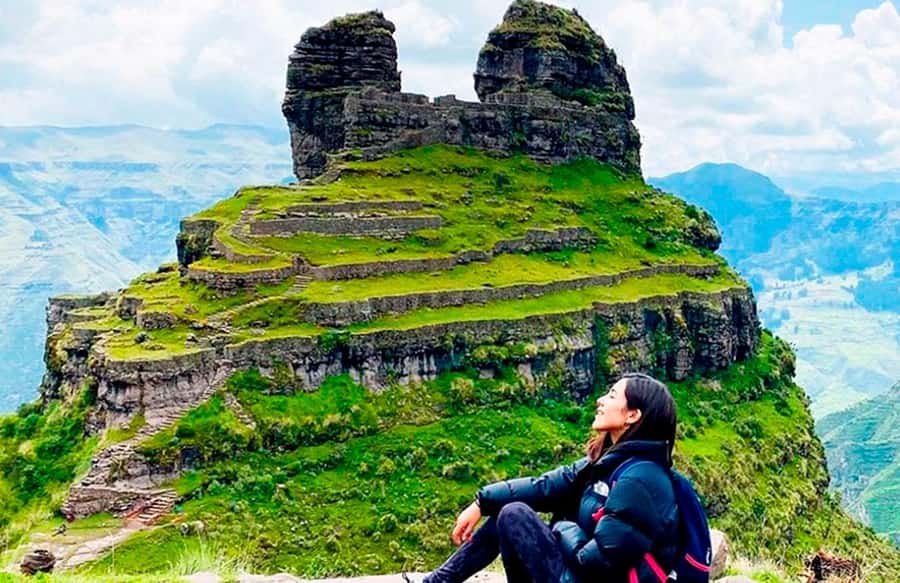
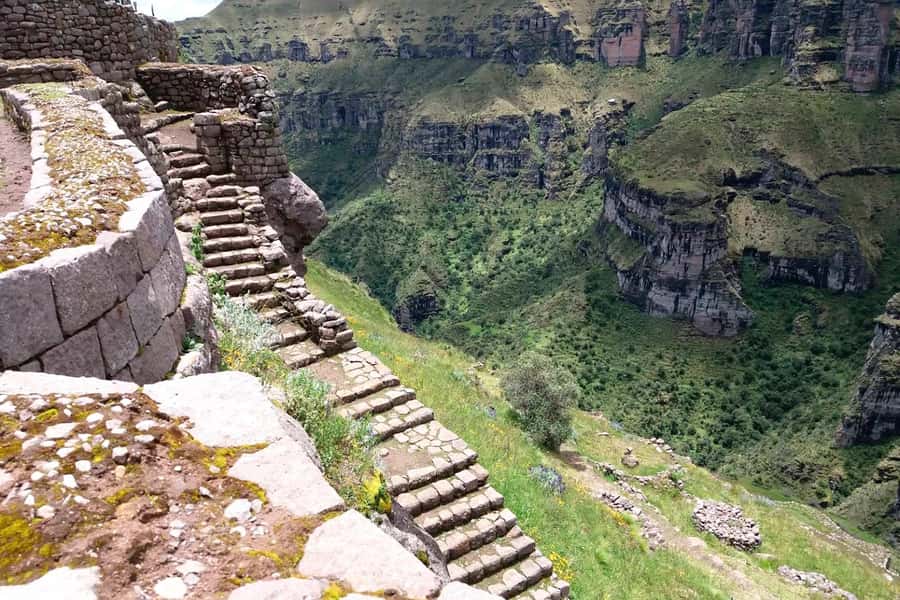
Sun Gate is the kind of place where context changes everything. Instead of seeing an entrance in the rock, you start thinking about movement, alignment, and how people designed spaces for specific purposes. Terraces help you understand agriculture and adaptation to steep terrain—how land could be shaped so crops could survive. Enclosures add another layer, showing that the complex wasn’t only ceremonial; it was part of a functioning Inca landscape.
A bilingual guide (Spanish and English) also makes a difference. You won’t have to guess what you’re looking at. And in at least one case, a guide named Carlos described life and respect for nature in a very human way, even calling on Pachamama as part of the explanation. That kind of storytelling helps the ruins feel tied to real people, not just an archaeological checklist.
Panoramic views and photo time: how to pace your stops
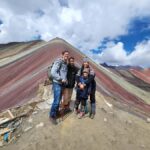
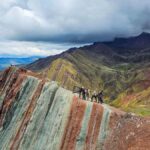
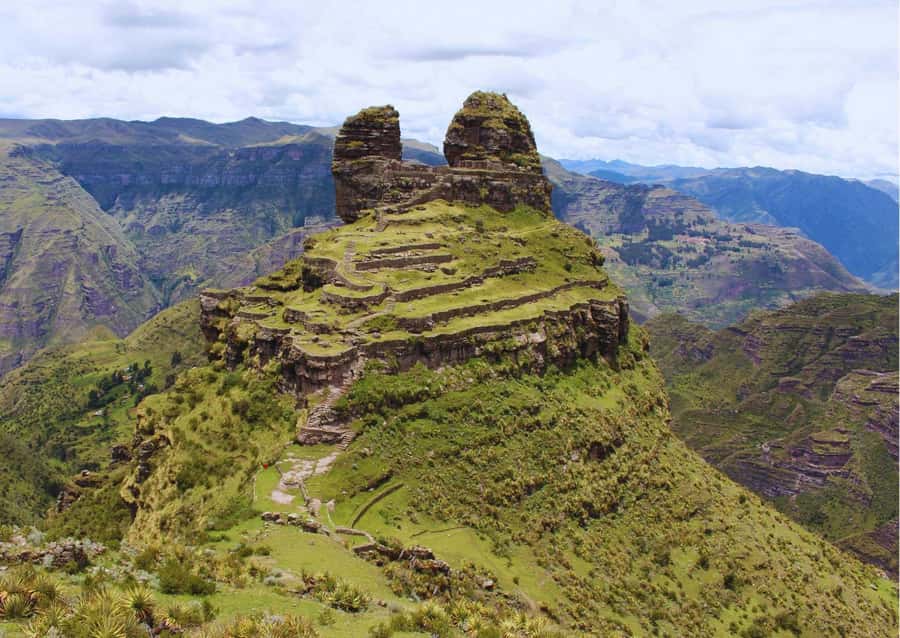
Waqrapukara is known for its panoramic views, and the day is built to let you actually enjoy them. You’ll have enough time to take pictures and explore a good part of the site—not just a quick pass-by.
Here’s how to make that photo time work for you:
- Save your longer stops for when you’re not winded. If you push hard during the hike, you’ll pay for it with shaky breathing at viewpoints.
- Bring sunglasses and use sunscreen early. At altitude, sun can be brutal even when the air feels crisp.
- Use your camera every chance you get—but keep looking up too. The view is part of the meaning of the place, not just the background.
One of the coolest surprises with remote sites is that the route and approach can feel quieter. On some departures, you may find yourself with fewer people on the trail, which makes the scenery feel more open and the experience more calm. If you want the site with a quieter vibe, early starts like this help.





Food, comfort, and the small extras that matter on a long day
This is a full-day outing—about 12 hours from morning pickup to return around 18:00—so included comfort becomes part of the deal.
Breakfast and lunch are included, which is a big practical win. At Waqrapukara, there’s no realistic plan to buy a snack and rescue your energy. Getting fed at the right times helps you keep your focus during the guided tour and prevents the “hangry” spiral that ruins good views.
You’re also given practical support for the hike:
- Walking sticks
- First-aid kit
- Oxygen
That oxygen detail is worth noticing. It signals that the operator is planning for altitude realities, not pretending everyone will be fine. There’s also a first-aid kit mentioned in the inclusions list, so expect basic medical readiness as part of the trip design.
One more practical point: you’ll want to bring cash. The tour data lists cash as a required item, which often means small extras or on-site purchases not covered by the included items.
Price and logistics: what $50 really buys you
At $50 per person for a 12-hour day trip, the value comes from what’s bundled, not just the headline price. What you’re paying for includes:
- Pickup from your hotel near Cusco’s historic center
- Transportation to and from the Waqrapukara area
- A bilingual guide (Spanish/English)
- Breakfast and lunch
- Walking sticks
- Safety gear (first aid and oxygen)
The one clear extra cost: entrance to the Waqrapukara complex is not included. So budget for that before you go. But even with the entrance fee added in, you still get a full day of guided walking, meals, and transport, which is often more expensive when you try to piece together yourself.
Also, you’re not just buying a ticket to a site. You’re buying the structure: the early pickup, the hike timing, the guided segments (Sun Gate, terraces, enclosures), and the return to Cusco. That structure matters when you’re dealing with altitude and a tight schedule.
Language support is another quiet value driver. If your Spanish isn’t strong, English guidance helps you keep up. If you’re bilingual, you can follow along and still ask questions.
Who should book Waqrapukara—and who should think twice
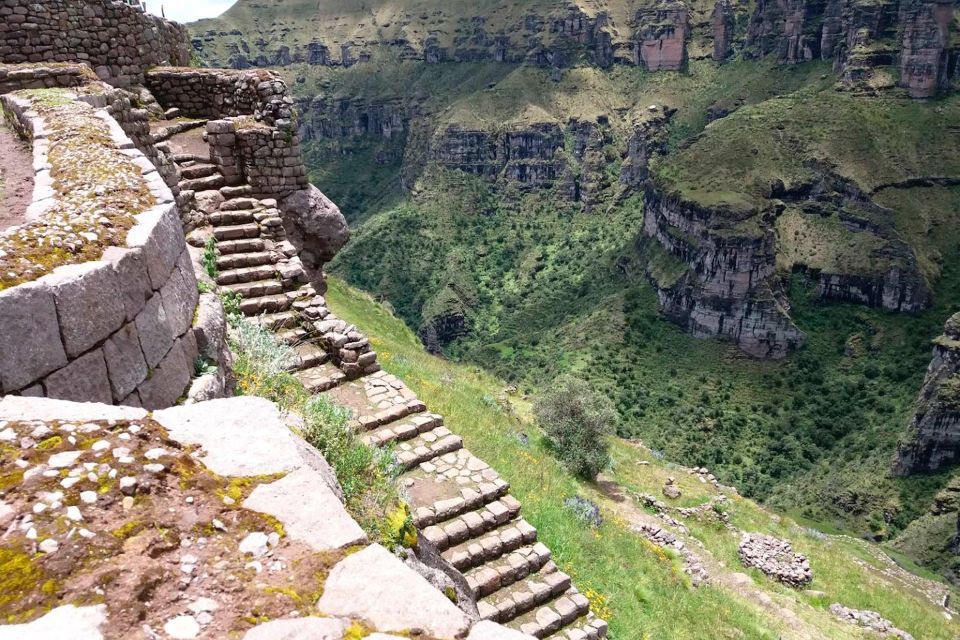
This tour is designed for people who can handle walking at altitude and uneven ground. You’ll want to bring good hiking shoes and be ready for a 2-hour hike.
It’s not suitable for:
- Pregnant women
- People with heart problems
- Wheelchair users
That matters because the route involves walking and rough terrain, and the day is long. Even with walking sticks and safety equipment, this is still a physical experience.
Who it suits well:
- First-time visitors to the Andes who want a structured introduction
- Travelers who like Inca sites but also care about the hike and the setting
- People who want a guided explanation of Sun Gate, terraces, and enclosures, not just a viewpoint
If you prefer very easy walking, you might find this demanding. But if you can take your time, it’s the kind of day that feels earned.
Should you book this Waqrapukara day trip?
If your idea of a great day in Peru is starting early, walking through Andean countryside, then getting guided access to the most important parts of an Inca complex, this trip makes a lot of sense. The big reasons to book are straightforward: the guided tour focus and the panoramic payoff, plus meals and safety support built into the package.
Before you say yes, be honest with yourself about the hike and altitude. Bring the right gear (hiking shoes, sunscreen, water), and plan to move at a steady pace instead of trying to “win” the trail.
If that sounds like your kind of trip, Waqrapukara is a strong choice.
FAQ
How long is the Waqrapukara excursion?
The total duration is about 12 hours, with return to Cusco around 18:00.
What time is hotel pickup in Cusco?
Pickup starts at 5:00 a.m. from hotels near Cusco’s historic center.
Is transportation included?
Yes. Transportation to the trail area and back to Cusco is included.
What’s included in the price, and what is not?
Included: hotel pickup, transportation, bilingual guide, breakfast, lunch, walking sticks, and safety supplies (first aid and oxygen). Not included: the entrance to the Waqrapukara complex.
How long is the hike?
The hike from the parking lot to Waqrapukara is approximately 2 hours.
What languages will the guide speak?
The guide provides Spanish and English.
What should I bring for the day?
Bring passport or ID, sunglasses, camera, hiking shoes, sunscreen, water, and cash.
Is there medical or altitude support included?
Yes. The trip includes a first-aid kit and oxygen, plus a first-aid kit is listed in the included items.
Is the tour cancellable?
Yes. Free cancellation is offered up to 24 hours in advance for a full refund.