REVIEW · CUSCO
Cusco 4-Hour Private Tour Including Sacsayhuaman and Qenqo
Book on Viator →Operated by Rainbow Mountain Cusco Agency · Bookable on Viator
See Cusco’s Inca brain in one half day. This private 4-hour route strings together major ruins around Cusco and key city landmarks, with a guide who ties the details into one clear story. I love how you get hotel pickup and a private vehicle, so you spend less time figuring out logistics and more time looking. The only real catch is that the big sights each have separate entrance fees, so your total cost isn’t just the $87.
Two stops make this especially worth your time: Saqsayhuaman’s stonework and Qorikancha’s Inti temple legacy, both show how Inca engineering survived conquest and earthquakes in very physical ways. I also like that the tour stays flexible in the real world—if you’ve been walking hard or need to slow down, your guide can adjust how you handle the city blocks. One drawback to keep in mind is that you’ll be on a tight schedule with short time at each site, so it’s not the choice for slow, lingering museum-style visits.
In This Review
- Key Highlights You’ll Care About
- Cusco in 4 Hours: The Value of a Private, Story-First Route
- Saqsayhuaman’s Fortifications: More Than Pretty Ruins
- Plaza de Armas and Cusco Cathedral: Spanish Walls on Inca Ground
- Qorikancha (Intikancha): Inti Temple History and the Earthquake-Era Rebuild
- Puka Pukara: The Red Fortress Watchtower on the Inca Road
- Q’enqo: Labyrinth Rock, Crooked Channels, and Ritual Questions
- Tambomachay (El Baño del Inca): Water Engineering That Still Looks Alive
- Optional Textile Factory Add-On: Crafts, Alpacas, and a Hands-On Cultural Thread
- Price and Logistics: What $87 Covers, and What You Still Pay
- Your Guide and Driver Really Shape the Tour Experience
- Weather, Timing, and How to Prepare
- Should You Book This 4-Hour Private Cusco Tour?
- FAQ
- What is the duration of the Cusco private tour?
- What is included in the price of $87 per person?
- Which entrance fees are not included?
- What sites will you visit during the tour?
- Is there an optional stop related to textiles?
- What happens if weather is poor?
Key Highlights You’ll Care About
- Private door-to-door pickup: you’re not hunting taxis between hills and plazas.
- Saqsayhuaman + Q’enqo + Tambomachay: you’ll cover several signature Inca sites near Cusco fast.
- Plaza de Armas included time: great for orientation and architecture context right away.
- Qorikancha’s real backstory: Inti temple history tied directly to later Dominican construction.
- Snacks included: helpful when your energy dips at altitude.
- Optional textile add-on at no extra charge: a useful cultural stop if you want the hands-on side of Peru.
Cusco in 4 Hours: The Value of a Private, Story-First Route
This tour is built for people who want a smart introduction without committing a full day. You’ll cover multiple Inca sites outside the city and then step back into Cusco’s colonial core, with just enough walking and viewing time at each stop to understand what you’re looking at.
Why this format works: Cusco can feel like a pile of impressive rocks until someone connects them. When your guide (the agency lists English or Spanish speaking) explains how the sites relate—military purpose, religious rituals, water management, and the city’s Spanish overlay—you end up with a mental map that helps later, especially if you’re continuing on to other Inca highlights in the region.
The private part matters more than it sounds. One review praised how the pace felt comfortable, with a mix of vehicle time and short walks that didn’t turn into a painful shuffle when altitude sickness was an issue. In plain terms: you can keep moving, but you’re not stuck with a slow or fast group rhythm.
You can also read our reviews of more private tours in Cusco
Saqsayhuaman’s Fortifications: More Than Pretty Ruins
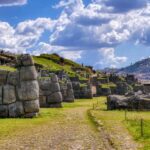
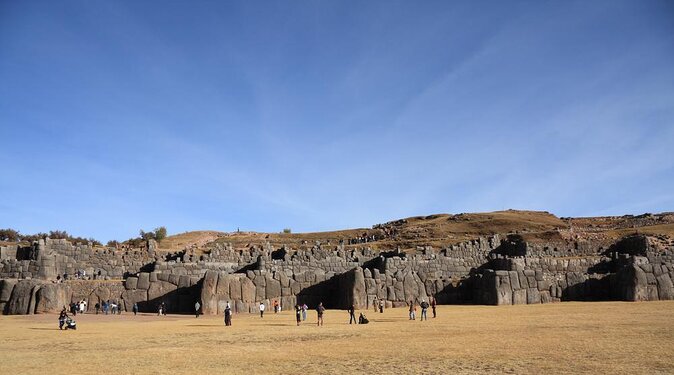
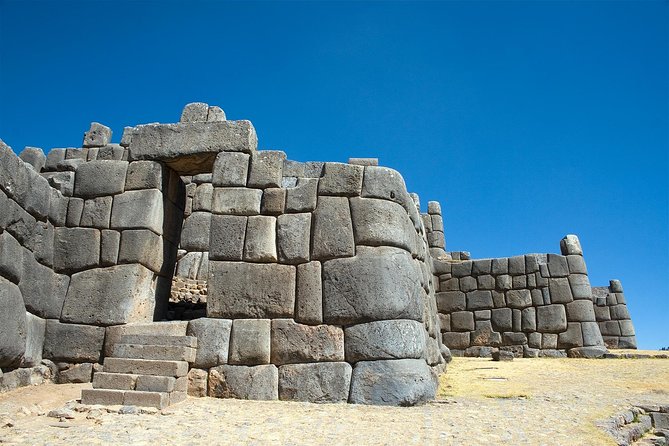
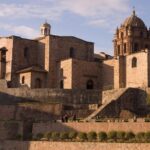
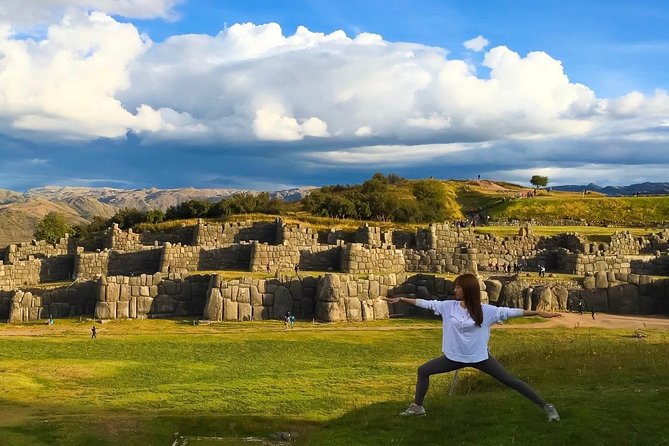
Saqsaywaman (you’ll see multiple spellings) is on the northern outskirts of Cusco, and it’s the kind of place where you immediately feel the scale. Sections were first built about 1100 CE by the Killke culture, after they occupied the area since around 900 CE. That timeline is the sort of detail your guide should point out, because it frames Saqsayhuaman as a long-evolving project rather than one “completed” monument.
You get about 30 minutes here. That’s short enough that you’ll want to focus on the big picture: the fortress-like layout and the way the stonework reads from different angles. It’s also a site where good timing helps. If you’re sensitive to crowds or prefer clear sightlines for photos, ask your guide to move you along efficiently rather than stopping everywhere at once.
One practical note: the Saqsayhuaman entrance fee is not included, so budget for it separately. The plus side is that the stop is a top priority for most first-timers, and even in a brief visit, it’s usually the place that makes you say, Okay, this was built to last.
Plaza de Armas and Cusco Cathedral: Spanish Walls on Inca Ground
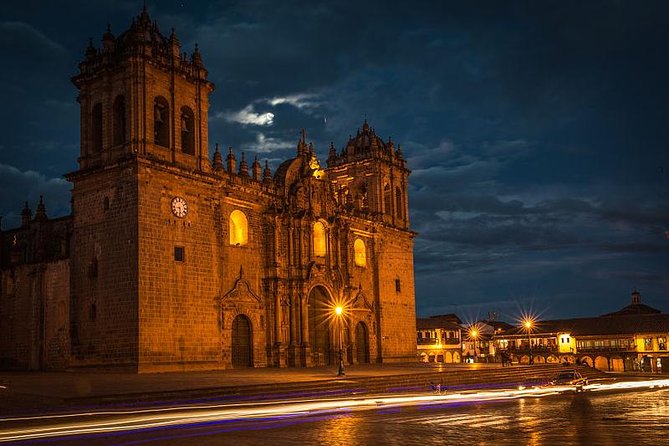
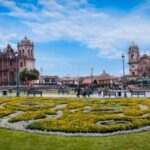
After the ruins, you shift from stone fortification to the city’s social center. The Plaza de Armas is included (your time here is about 10 minutes), and it’s a great orientation point. The colonial architecture you see around the square reflects Spanish influence, but the plaza’s importance predates the Conquest—your guide should help you connect that layering, because Cusco’s identity is literally built on earlier foundations.
Then you get Cusco Cathedral time, roughly 20 minutes, but entry is not included. The cathedral is the mother church of the Roman Catholic Archdiocese of Cusco and sits right in the Plaza de Armas. Even if you’re not a cathedral person, it’s worth viewing once to understand how the city’s religious power shifted after the Spanish arrived—and how that shift stayed anchored to the same urban center.
A small reality check: in Cusco, you can rack up steps fast. One review mentioned that after walking and fatigue, the group decided not to do the cathedral, and the guide accommodated the change. So if you’re arriving from a long day or you’re pacing carefully due to altitude, you’ll still get value from the rest of the route.
Qorikancha (Intikancha): Inti Temple History and the Earthquake-Era Rebuild
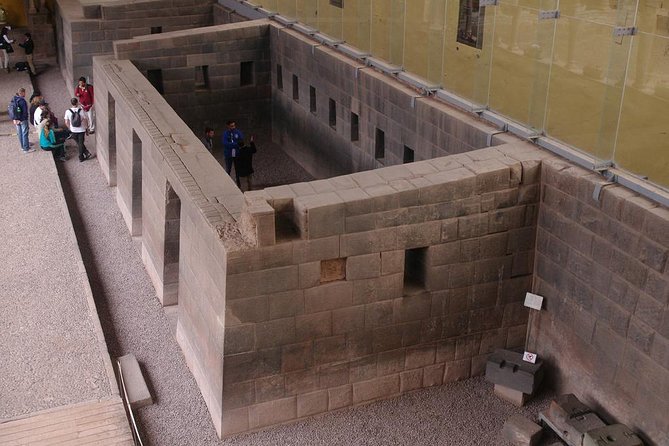
Qorikancha is one of those stops that feels more meaningful when you know what it used to be. Originally named Intikancha or Intiwasi, it was dedicated to Inti, the sun. Your guide should explain that the temple wasn’t just “damaged”—much of it was destroyed after the 16th-century war with Spanish conquistadors.
What survived shows up in later construction. Much of the original stonework was reused as a foundation for the seventeenth-century Santo Domingo Convent, which was built after a 1650 earthquake destroyed the first Dominican convent. That connection—Inca sacred space becoming colonial infrastructure—is exactly what makes Qorikancha a powerful lesson in how history physically changes a site.
You’ll spend around 20 minutes here, and admission is not included. The time is usually enough to grasp the story and get good photos without feeling rushed into “move along” behavior. Still, if your priority is interpretation over snapshots, ask your guide to spend a bit more of the viewing time on the backstory so you leave with the why, not just the what.
If you’re booking because you want a strong lead-in to the rest of the region, Qorikancha often does that job well. One reason: it gives you a framework for understanding Inca religion and how Spanish conquest reshaped religious spaces in Cusco.
Puka Pukara: The Red Fortress Watchtower on the Inca Road
From Qorikancha, you head out toward smaller sites that many visitors skip—this tour doesn’t. Puka Pukara, about 6 km from Cusco, is a red-fortress-watchtower type of place. In Quechua, puka means red, and pucara means fortress-watchtower.
This site sits at a strategic point along the road to Antisuyo, the jungle portion of the Inca empire. That’s not trivia. It tells you that this wasn’t just a scenic ruin. It served as a checkpoint on an Inca road, with military and administrative functions.
You get about 15 minutes here. That short slot is ideal for Puka Pukara because you’ll want the context quickly, then let the setting speak for itself. If you only have a half day and you want variety beyond the biggest names, this stop adds texture: it shows the Inca system of movement and control, not only ceremonial power.
Admission is not included for Puka Pukara, so again, plan to pay the listed fees on arrival.
Q’enqo: Labyrinth Rock, Crooked Channels, and Ritual Questions
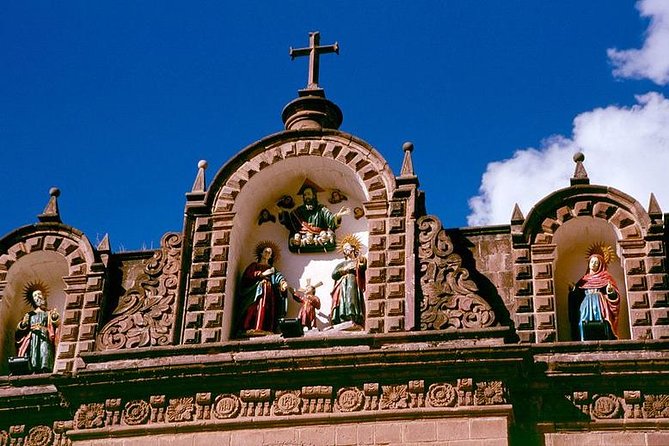
Q’enqo (also spelled Qenqo) means labyrinth or zig-zag in Quechua, and the naming fits the look. The temple is named for a crooked canal cut out of its rock. The big interpretive twist is that the canal likely carried a liquid, but researchers have had to guess at its purpose.
Hypotheses include holy water, chicha (corn beer), or blood. Any of those options points toward death rituals, possibly tied to embalming or to some kind of life-good-life test based on how the liquid moved.
You’ll have about 15 minutes at Q’enqo, and the admission fee is not included. This is another stop where the guide’s job is key. If you stand there without context, the site can feel like an odd rock formation. With context, it becomes a clue to how ritual, belief, and experimentation may have worked in Inca religious practice.
If you like to ask questions, this is a good moment. Your guide can help you understand why multiple theories exist and what features lead researchers to those guesses—without turning the visit into a confusing lecture.
Tambomachay (El Baño del Inca): Water Engineering That Still Looks Alive
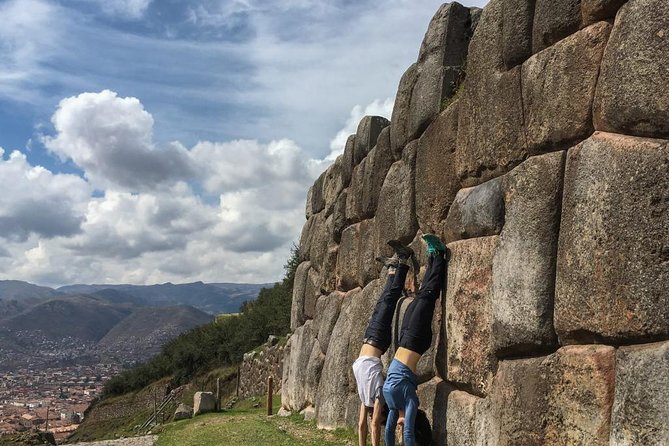
Tambomachay is an archaeological site connected with the Inca Empire, near Cusco. The Spanish alternative name is El Baño del Inca, and it’s easy to see why once you’re there. The site features aqueducts, canals, and waterfalls running through terraced rocks.
You’ll spend about 25 minutes here, which is a generous time compared to some other stops. That longer slot helps, because water sites take a minute to “read.” It’s not just the view—it’s the system. You’ll notice how channels cut across terraces and how the setting suggests design meant to manage and direct flow.
Admission is not included. Still, even without getting lost in technical details, it’s usually one of the most satisfying stops because it looks practical, not just symbolic. Reviews often highlight how guides connect the ingenuity of engineering to everyday Inca life, and Tambomachay is a great anchor for that conversation.
Optional Textile Factory Add-On: Crafts, Alpacas, and a Hands-On Cultural Thread
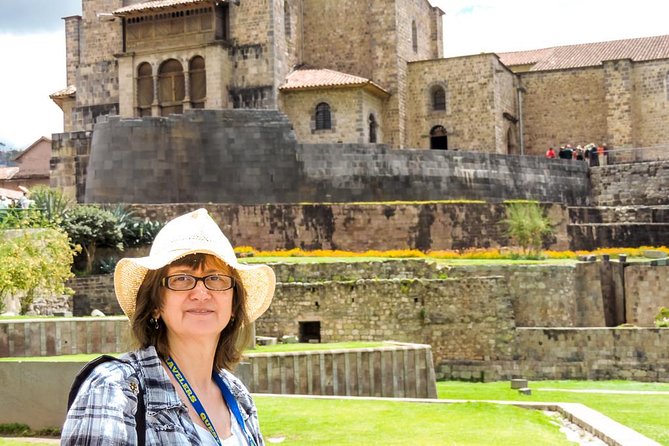
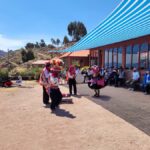
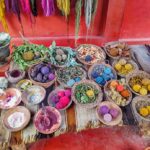
One of the nice things about this tour is the potential bonus stop tied to textiles. The tour includes an optional visit to a textile factory at no additional charge. In practice, some versions of this add-on include time connected to alpacas/llamas and watching how fiber crafts become cloth.
This is a smart add-on if your interest is not only ruins, but also how traditional knowledge is still used. It turns the story from past to present—how materials were gathered, processed, dyed, and crafted—so you can connect what you see in the sites to what you see in modern life.
It won’t replace the archaeological stops, but it can make your half day feel more complete. If you’re tired of looking at stone and want something tangible with a guide standing next to you, this is often the right counterbalance.
Price and Logistics: What $87 Covers, and What You Still Pay
The tour price is $87.00 per person for about 4 hours. Reviews also suggest it’s often booked ahead (the average booking time is 60 days), which is a clue that it’s a popular way to get orientation quickly.
What’s included:
- Private English- or Spanish-speaking guide
- Hotel pickup and drop-off
- Snacks
- Transport by private vehicle
What’s not included (you pay entrance fees separately):
- Saqsayhuaman: PEN 70.00 per person
- Cusco Cathedral: PEN 40.00 per person
- Qorikancha: PEN 15.00 per person
Plaza de Armas time is covered (and you’ll include Cathedral and other walking windows), but those three entrance fees can materially add to your total. So I treat this tour as a two-part budget: the $87 for the experience and your entrance-fee add-on for the major sites.
If you’re doing multiple tours during your Cusco stay, that fee structure often makes sense because your guide and private car reduce wasted time between scattered locations. If you’re trying to squeeze in more free stops on your own, then yes, you might compare costs. But if you value interpretation and smooth movement, the math usually works out well.
Your Guide and Driver Really Shape the Tour Experience
Most people know the ruins matter. What they often underestimate is how much the guide changes the day. In the reviews, names like Alfredo, Ruben (and Reuben), Patricia, Soledad (and Solidad), Victor, and Stephanie came up again and again, with compliments on clear explanations and the way guides connect sites into one story.
Here’s what to look for in real-world terms:
- You want a guide who points out “why this matters,” not just dates.
- You want them to help you pace so you don’t run out of energy halfway through.
- You want a driver who gets you there on time, because half-day tours don’t have slack.
One review also noted that language fluency can vary, mentioning a guide who wasn’t as fluent in English as expected. So if you’re booking in English (or Spanish), pick your language preference carefully when you book. A good guide should still be able to communicate clearly even if your vocabulary isn’t perfect, but your best outcome starts with that language match.
Also, I appreciate the small comforts you get in the included package: snacks and the way guides often answer lots of questions patiently. If you’re camera-ready, the tour recommends bringing your camera, and guides are used to helping with photos.
Weather, Timing, and How to Prepare
This tour requires good weather. If poor weather cancels it, you’ll be offered a different date or a full refund. That matters because several of the exterior sites are easier to enjoy when paths are dry and visibility is decent.
Dress according to the season, but also think practical. Cusco mornings and afternoons can change, and you’ll be walking short distances at multiple stops. Bring a camera, and keep your water/snack habits consistent so you don’t crash midway.
Most travelers can participate, and it’s a private format, meaning only your group travels together. That’s a big plus if you’re traveling with family, as one review called out the tour as a solid option for families with a manageable pace.
Should You Book This 4-Hour Private Cusco Tour?
Book this tour if you want a fast, high-value hit list of major Inca sites near Cusco plus key city landmarks, without the stress of coordinating transportation. It’s especially good if:
- You’re using Cusco as a base and want context before later trips to other Inca destinations.
- You prefer private guidance and a route that’s paced to your comfort.
- You like understanding the story behind stone—military purpose, ritual meaning, and how conquest changed sacred spaces.
Think twice if:
- You’re trying to keep costs to the absolute minimum, because entrance fees for Saqsayhuaman, Qorikancha, and Cusco Cathedral are separate.
- You want long, slow visits where you can sit and linger at each site without moving on.
If you’re the kind of traveler who thinks, I’ll take the highlights and learn how they connect, this is a strong half-day choice. You’ll leave with a clearer Cusco map in your head—and that makes the rest of your days in Peru feel easier, not harder.
FAQ
What is the duration of the Cusco private tour?
It runs for about 4 hours.
What is included in the price of $87 per person?
The tour includes a private English- or Spanish-speaking guide, hotel pickup and drop-off, snacks, and transport by private vehicle.
Which entrance fees are not included?
Entrance fees are not included for Cusco Cathedral (PEN 40.00), Qorikancha (PEN 15.00), and Sacsayhuaman (PEN 70.00). Plaza de Armas time is included.
What sites will you visit during the tour?
You’ll visit Saqsayhuaman, Plaza de Armas, Cusco Cathedral, Qorikancha, Puka Pukara, Q’enqo, and Tambomachay.
Is there an optional stop related to textiles?
Yes. An optional textile factory visit is available at no additional charge.
What happens if weather is poor?
The experience requires good weather. If it’s canceled due to poor weather, you’ll be offered a different date or a full refund.