REVIEW · CUSCO
2-Day Inca Trail Hike to Machu Picchu & Panoramic Train
Book on GetYourGuide →Operated by Inkayni Peru Tours · Bookable on GetYourGuide
Two days, two icons of the Inca. This trip links the Inca Trail with Machu Picchu in a schedule that’s built for the misty, magical moments.
You’ll also appreciate the small-group feel and the smooth train-to-trek flow that keeps your energy for the walking.
I especially love the way the itinerary builds toward the first big Machu Picchu reveal through Inti Punku (Sun Gate). The terraces of Wiñay Wayna also get real attention, not just a quick pass-and-go.
The main drawback is the effort level and the early start: you begin at 4:00 AM, and it’s not a fit if you deal with back issues. Also, Aguas Calientes is convenient, but it is not a great place to hang out for hours.
In This Review
- Key highlights that matter
- Cusco to Km 104: a fast start that sets your day up right
- Chachabamba and the climb: the Inca Trail starts with purpose
- Wiñay Wayna: where terraces teach you how to read the trail
- Inti Punku (Sun Gate) and the first Machu Picchu view
- Aguas Calientes night: practical downtime (not a vacation town)
- Day 2 at Machu Picchu: early entry plus a guide who makes it make sense
- Optional hikes: Huayna Picchu or Machu Picchu Mountain
- Vistadome back to Ollantaytambo: a comfortable landing after the climb
- Price and value: what $624 is buying you in the real world
- What to bring (so nothing slows you down)
- Who this 2-day Inca Trail option fits best
- Should you book this tour?
- FAQ
- FAQ
- What time does the tour start in Cusco?
- Where does the Inca Trail trek begin?
- Is Machu Picchu entry included?
- Are meals included?
- Is water provided during the tour?
- Can I add Huayna Picchu or Machu Picchu Mountain?
- When is the Inca Trail closed?
- How big is the group?
Key highlights that matter
- Small-group pace (max 8): more time for questions and a calmer hike.
- Wiñay Wayna terraces and temples: you stop long enough to understand what you’re seeing.
- Inti Punku first view: the iconic Machu Picchu reveal from the Sun Gate.
- Sunrise timing at Machu Picchu: early entry helps you experience the citadel when the light is right.
- Two train rides: expedition-style forward journey and a comfy Vistadome return.
- Optional Huayna Picchu or Machu Picchu Mountain: worth it if you secure the extra ticket in time.
Cusco to Km 104: a fast start that sets your day up right
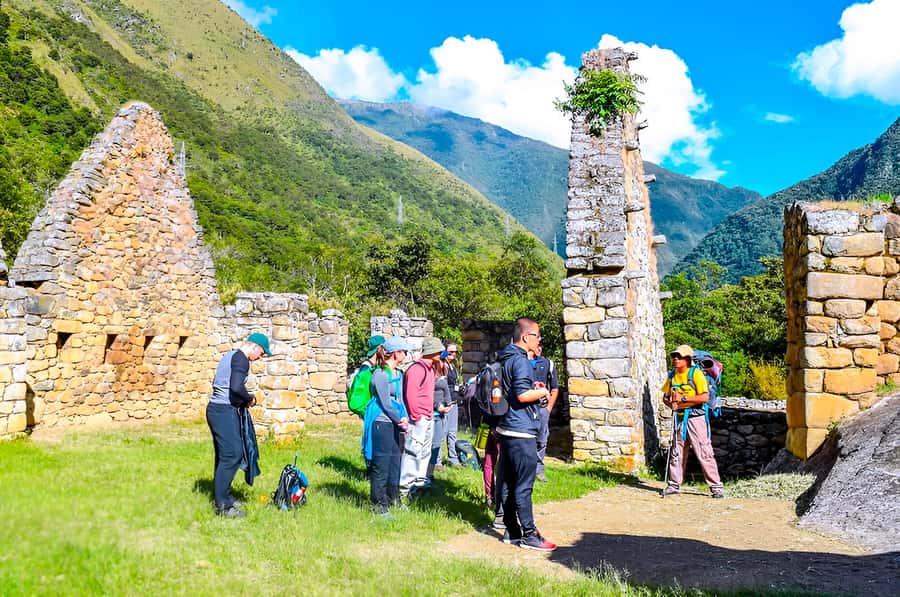
This style of 2-day Inca Trail is designed around one thing: getting you onto the trail with enough daylight to enjoy it, not just survive it. The morning begins with pickup in central Cusco around 4:00 AM, then you ride to Ollantaytambo. From there, you take a train along the Urubamba River for about 1.5 hours to the trek start area at Chachabamba or Km 104 (about 7,218 ft / 2,200 m).
Why I like this approach for most people: it removes a chunk of stress. You’re not figuring out how to get yourself out to the trailhead while also trying to stay calm about altitude, timing, and crowds. Instead, you get a pre-departure briefing in Cusco, then the transport plan carries you through the hard parts.
You’ll still feel the early wake-up, of course. But the payback is that your trek and your Machu Picchu entry are timed to feel special, not rushed.
You can also read our reviews of more hiking tours in Cusco

Chachabamba and the climb: the Inca Trail starts with purpose
Right after you step into the trek rhythm, you visit Chachabamba, described as an important ceremonial and administrative Inca site. Even if you’re not an archaeology expert, it helps to stop here first. It gives you a frame: the trail isn’t only scenic, it’s also part of how the Inca moved, governed, and honored the landscape.
Then the path climbs through cloud forests, where the air can feel cooler and wetter than Cusco. That matters for comfort because your first big work is getting uphill while your body is still waking up.
On this day, your guide’s job is not just explaining dates and names. It’s helping you connect the dots between what you see—terraces, steps, and engineered paths—and why the Incas would build there. A few guide-focused details really stand out in the experience’s feedback. For example, I’ve seen mentions of guides such as Noémie using clear explanations on the hike, and Franco (described as a young guide with deep historical knowledge) encouraging you along while keeping the story understandable.
In plain terms: the better guides don’t overwhelm you with facts. They point at details and help you notice what you’d otherwise walk right past.
Wiñay Wayna: where terraces teach you how to read the trail
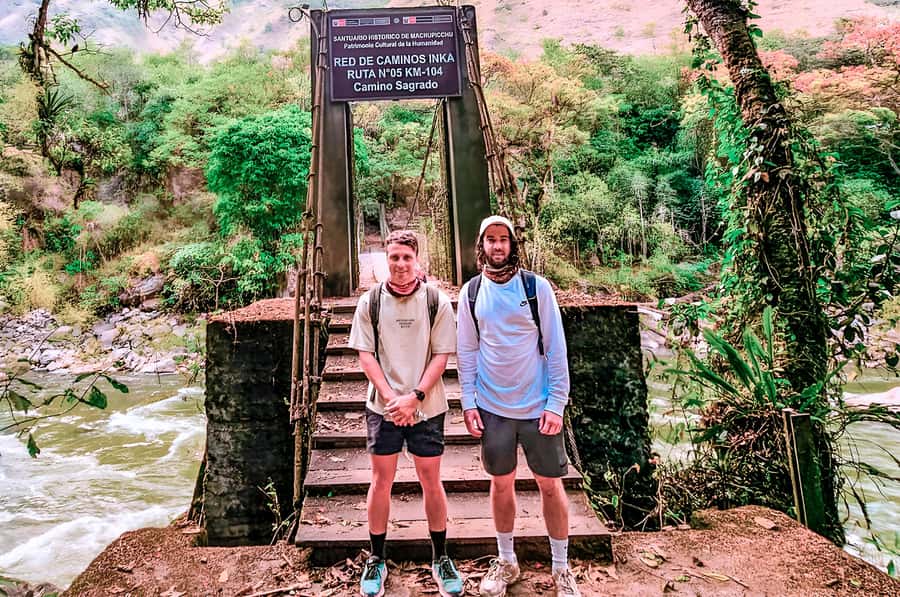
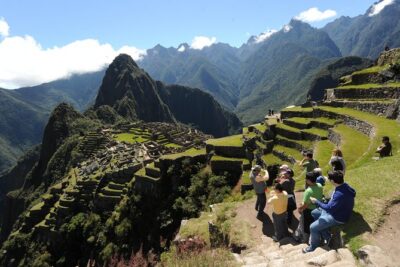
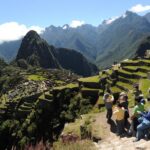
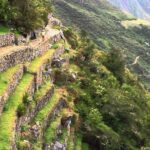
The big highlight of the first walking day is Wiñay Wayna at about 8,694 ft / 2,650 m. This is where you start seeing the Inca Trail as a chain of working spaces: agriculture terraces, temples, and stone structures that look designed for both people and water management.
This is also where the pacing of this itinerary really helps. You’re not just hiking through Wiñay Wayna. You’re spending time there, long enough to feel what the terraces do visually and practically. Terraces hold soil, capture moisture, and create flat plots in steep terrain. Even if you never read a book about Andean farming, once you watch how the terraces step with the slope, it clicks.
It also helps that the tour doesn’t leave you with a blank day at the end of the trail. You continue toward the next major viewpoint—Inti Punku, the Sun Gate.
Inti Punku (Sun Gate) and the first Machu Picchu view
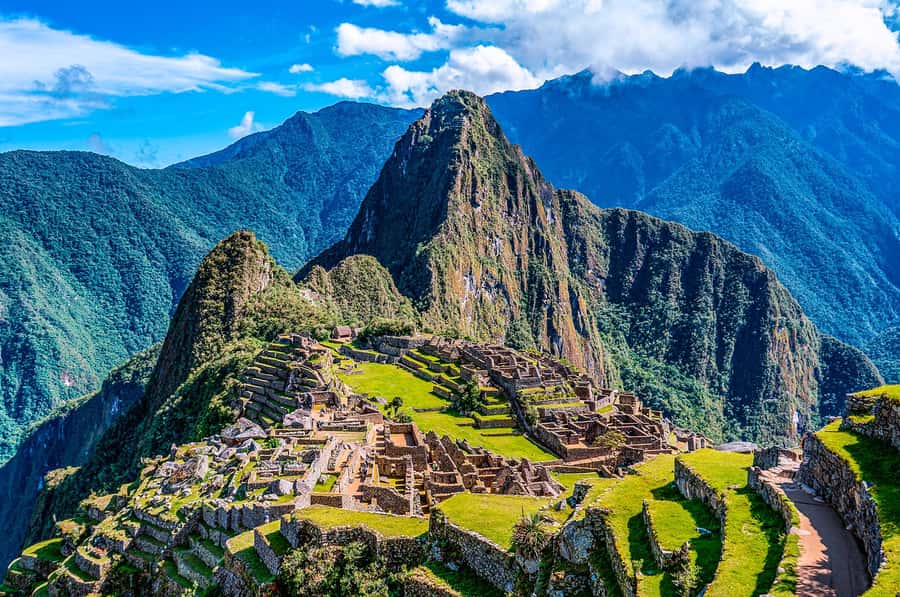
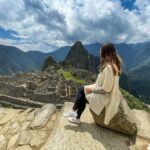
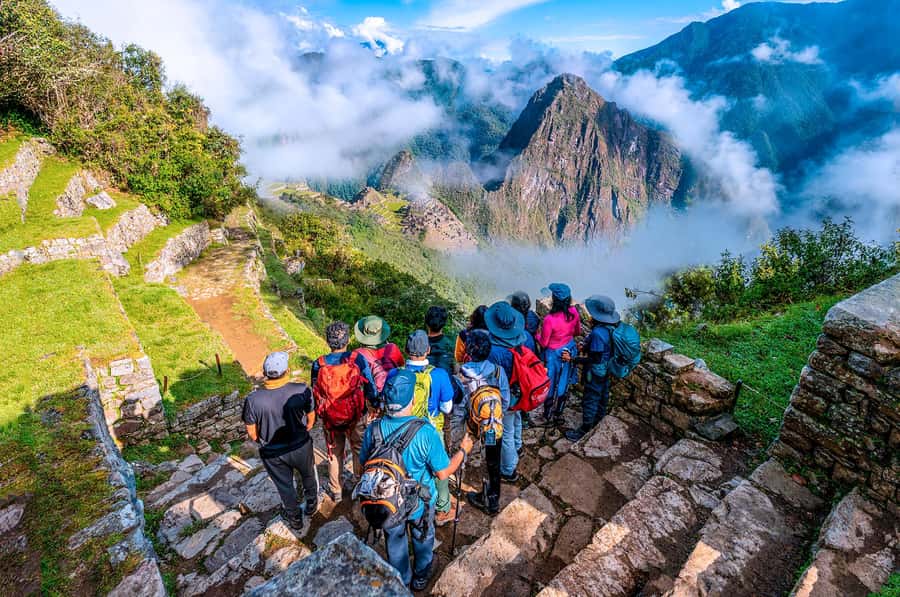
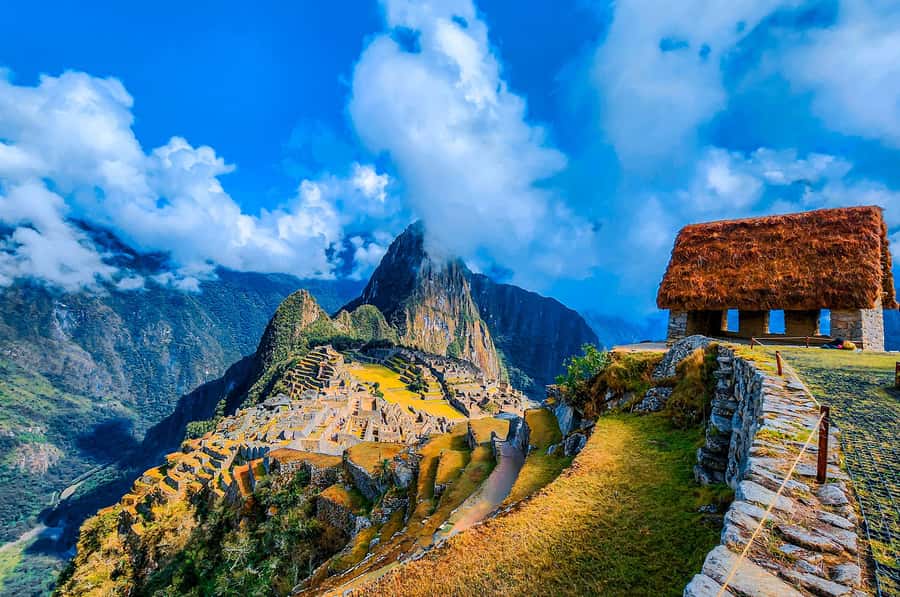
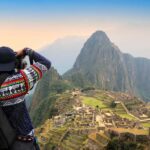
As you approach Inti Punku (Sun Gate) (around 8,924 ft / 2,720 m), you get what this whole route is famous for: the first expansive view of Machu Picchu at roughly 7,972 ft / 2,430 m.
This isn’t just a photo moment. It changes how you’ll look at the citadel later. Seeing it from the Sun Gate viewpoint gives you a sense of positioning—how the city sits in relation to terraces, ridges, and the path you’ve already walked.
In the experience’s feedback, a common theme is the morning or late-afternoon mood: Machu Picchu wrapped in mist at dawn, and golden light as you get your first wide view. If you’re the type who gets hooked by light and atmosphere, this timing is a big deal.
After Inti Punku, you descend to Aguas Calientes, check into a 3-star hotel, and take a breather. Dinner is included at a local restaurant in town, which is a relief after the day’s physical work.
Aguas Calientes night: practical downtime (not a vacation town)
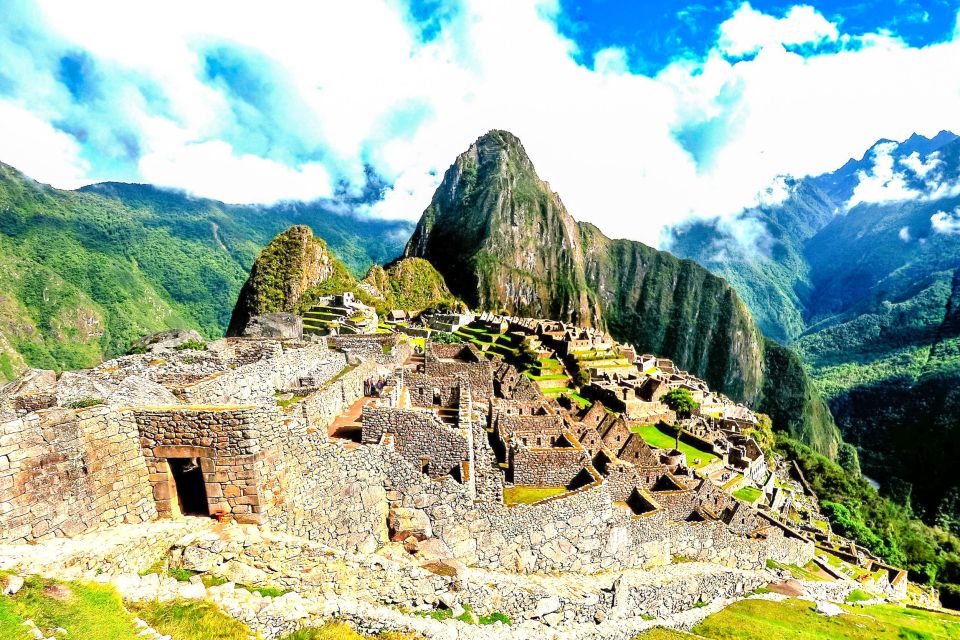
Aguas Calientes is mainly a base. It’s the gateway town for Machu Picchu, so it has services, hotels, and restaurants that keep things moving—but it’s not known for long, fun evenings.
That lines up with one of the more honest notes in the feedback: after the trek, there may not be much that feels exciting to do here besides rest and eat. So I’d plan your night as recovery time. Keep it simple: shower, hydrate, and get an early sleep.
Also watch what you eat and how much you drink. Your body just did a day of climbing, and you’ll be heading back to the citadel early the next day.
You can also read our reviews of more tours and experiences in Cusco

Day 2 at Machu Picchu: early entry plus a guide who makes it make sense
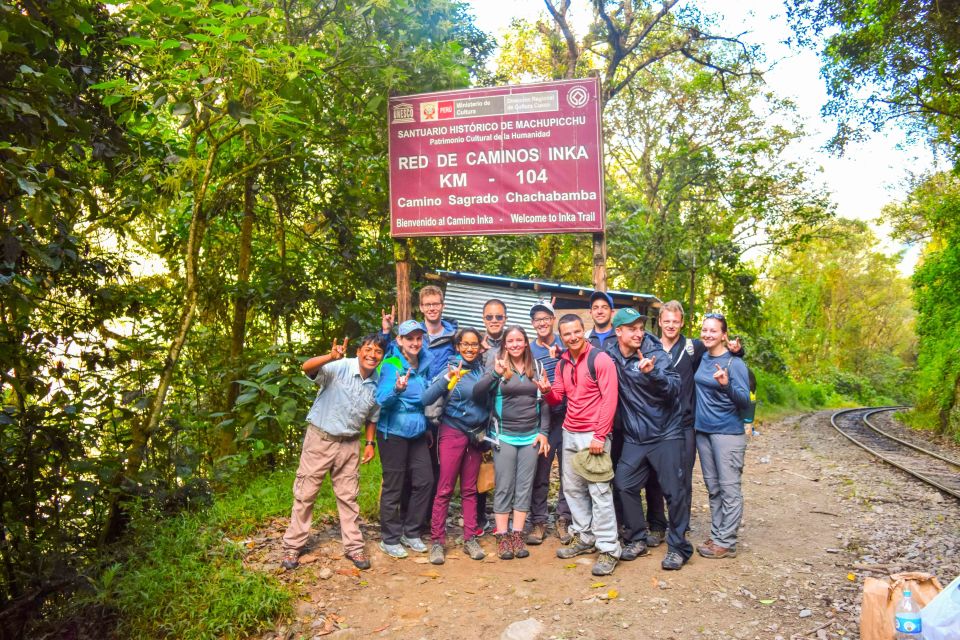
Day 2 starts with an early wake-up and a bus ride to Machu Picchu. You enter at your designated time according to your ticket schedule, so the big secret is pacing and timing. This matters because Machu Picchu is one of those places where crowd density changes the vibe fast.
Once inside, you get a guided tour focused on the citadel’s key areas: temples, terraces, and astronomical structures. The value here is that your guide can connect how the site is laid out with why it was built the way it was. You’re not just walking from one viewpoint to another without context.
This is also where the “most magical moments” promise becomes real. With the schedule pushing you to early hours, you’re more likely to catch Machu Picchu in a soft, atmospheric state—often with morning mist and light that makes the stones look different than they do at midday.
When guides are strong, the city feels alive. Even if you only remember a handful of facts afterward, you’ll still remember the layout: plazas, stonework, and the way terraces frame the view.
Optional hikes: Huayna Picchu or Machu Picchu Mountain
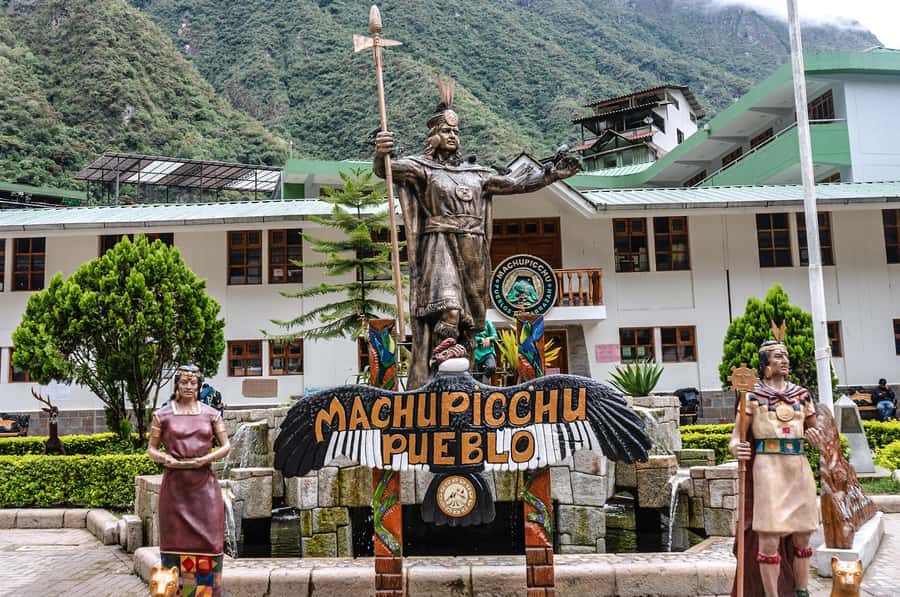
After the main guided time, you have the option to add one of the big viewpoint hikes: Huayna Picchu or Machu Picchu Mountain.
Important practical point: these require an extra ticket (listed at $85 per person) and you usually need to book 3 to 6 months in advance. That’s not a small detail. If you want the option, treat it like a separate plan and make sure you can secure the ticket in time.
Is it worth it? If you love panoramic viewpoints and can handle stairs and steep paths, it can be. The best argument for the extra hike is that it gives you a different angle on the citadel—one that helps you understand how the city sits in the surrounding ridges.
If you’re tired after Day 1 and you’d rather save your legs, skip it. You’ll still get a complete Machu Picchu experience through the guided tour.
Vistadome back to Ollantaytambo: a comfortable landing after the climb
Once your Machu Picchu time is done, you take the afternoon bus from the citadel area back to Aguas Calientes, then board the Vistadome train returning to Ollantaytambo. The Vistadome experience is all about comfort after hiking day: you get to sit, relax, and let your legs recover while the scenery passes by.
From Ollantaytambo you continue by bus back to Cusco, typically arriving in the early evening. For many people, that timing is the sweet spot: you’re tired but not totally wiped out, and you can still manage the rest of your trip.
Price and value: what $624 is buying you in the real world
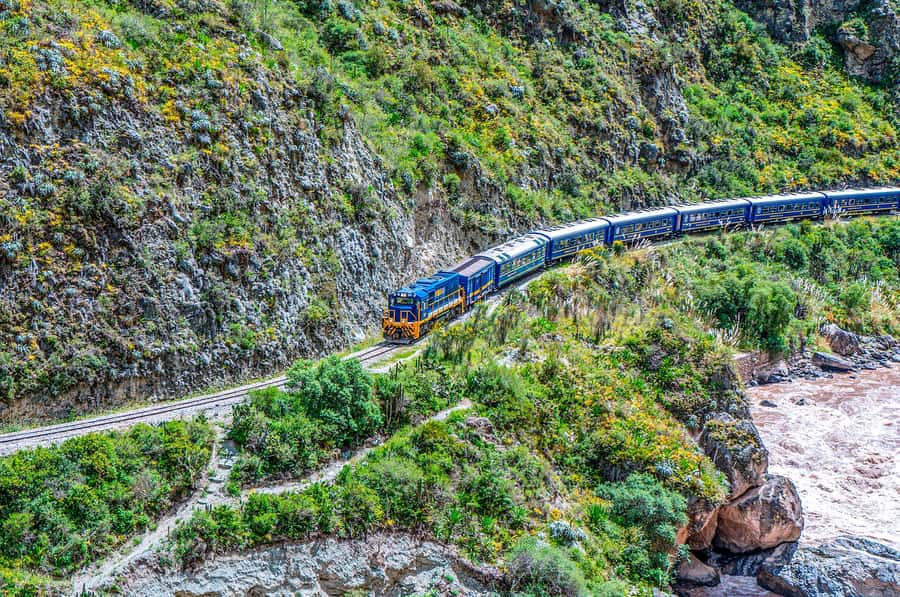
At $624 per person for two days, this is not a budget option. But it also isn’t just “a hike ticket.” You’re paying for a bundle of major logistics:
- Inca Trail and Machu Picchu entrance tickets
- Guided time with an English-speaking professional (languages include Spanish too)
- Train transport to the trailhead and the Vistadome return
- A 3-star hotel night in Aguas Calientes
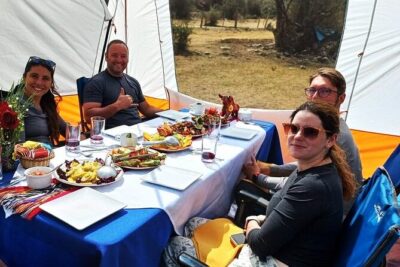
- Meals that reduce planning pressure: boxed lunch on Day 1 and dinner in Aguas Calientes
- Bus transfers between Aguas Calientes and Machu Picchu
When you price these items separately, the cost tends to spread out quickly. This tour’s value is that it handles timing, tickets, and transport so you can focus on the experience itself.
Still, keep expectations grounded: breakfast on Day 1 isn’t included, and lunch and dinner on Day 2 aren’t included either. And water is not provided, so you’ll need to plan for drinks.
What to bring (so nothing slows you down)
This is high-altitude trekking and a citadel visit, so packing smart matters. Bring:
- Passport or ID card (you must carry it during activities)
- Sun hat and sunscreen
- Rain gear (cloud forest conditions can be damp)
- Comfortable clothes you can layer
And don’t rely on the tour for drinks. Since water is not provided, plan to carry what you need and refill when possible.
Also note the basic rules: no pets, no weapons or sharp objects, and no alcohol or drugs. (Basically: treat it like a serious itinerary.)
Who this 2-day Inca Trail option fits best
This option is best for people who want the classic Inca experience without building a complex plan themselves.
It’s a great match if you:
- Want the Inca Trail plus Machu Picchu in two focused days
- Prefer small groups (maximum 8 participants) for a more personal feel
- Like having a guide who can explain the site beyond the basics
- Want the citadel experience at early hours for the best atmosphere
It’s not a good fit if:
- You have back problems (explicitly listed as not suitable)
- You’re using a wheelchair (explicitly listed as not suitable)
Should you book this tour?
If your priority is doing the Inca Trail and reaching Machu Picchu with strong timing—plus a guide who can make Wiñay Wayna and Machu Picchu click—this is a solid choice. The small-group size and the inclusion of major logistics (tickets, trains, and a hotel night) make it feel efficient for a trip that can otherwise turn into a schedule puzzle.
I’d only steer you away if you’re looking for a relaxed, sleep-in itinerary. The 4:00 AM start is real, and the schedule doesn’t slow down just because you’re on vacation. Also, if you want Huayna Picchu or Machu Picchu Mountain, start planning early since the extra tickets require advanced booking.
FAQ
FAQ
What time does the tour start in Cusco?
Hotel pickup is scheduled to begin at 4:00 AM.
Where does the Inca Trail trek begin?
You travel by train to the trek start at Chachabamba or Km 104.
Is Machu Picchu entry included?
Yes. Entrance tickets to Machu Picchu are included, and you enter at your designated time based on your ticket schedule.
Are meals included?
You get a boxed lunch on Day 1 and dinner in Aguas Calientes. Breakfast on Day 1 and lunch and dinner on Day 2 are not included.
Is water provided during the tour?
No. Water is not provided, so bring your own.
Can I add Huayna Picchu or Machu Picchu Mountain?
Yes, but it requires an additional ticket (listed as $85 per person). Booking is typically needed 3 to 6 months in advance.
When is the Inca Trail closed?
The tour operates year-round except February, when the Inca Trail is closed for maintenance.
How big is the group?
This is a small-group experience limited to a maximum of 8 participants for a more personalized experience.