REVIEW · CUSCO
Moray and Maras Salt Mines Full Day Tour – Small Groups
Book on Viator →Operated by Peru Grand Travel · Bookable on Viator
Moray and Salinas de Maras are the kind of places that make Peru feel extra smart. On this small-group day trip from Cusco, you’ll start at Moray’s circular terraces and their dramatic temperature shift, then move on to Maras and the still-working salt mines. This tour also scores very well for day-of logistics, with an average rating of 4.8/5 and 95% of guests recommending it.
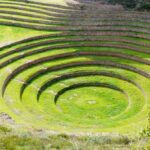
What I like most is the first stop: Moray. The terraces drop up to 150 meters and were built as an Inca agricultural lab, with irrigation canals designed to create different microclimates—so the site is more than a pretty ruin.
My other big win: the pace. You get three key areas in about 6 hours, with hotel pickup and a professional guide (Portuguese, English, or Spanish). The only real watch-out is that some tours like this can include extra shopping stops along the route, and those can eat into the time you’d rather spend at the sites.
In This Review
- Key highlights to know before you go
- Moray terraces: an Inca farm experiment you can see
- The temperature trick: why depth matters in Moray
- Maras town: colonial-era flavor in an Andean community
- Salinas de Maras: active salt mines, not just scenery
- Timing and pacing: how three stops fit into six hours
- Price and value: what the $45 really covers
- Small-group comfort and guide support
- What to bring for a smooth, comfortable day
- Who should book this Moray, Maras, and Salinas tour?
- My take: should you book it?
- FAQ
- What time does the Moray and Maras Salt Mines tour start?
- How long is the tour?
- How many people are in the group?
- What’s included in the tour price?
- How much should I budget for entrance fees?
- Is there free cancellation?
Key highlights to know before you go
- Moray’s circular terraces: an Inca experiment with depth and weather effects
- Microclimates up to 15°C: top vs. bottom can vary a lot
- Maras town visit: colonial-style stone doorways in an Andean setting
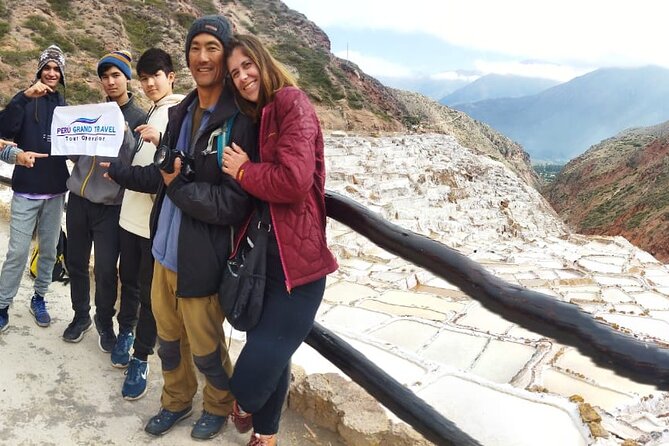
- Salinas de Maras salt pans: still in use today by local farmers
- Small group max 15: easier conversation with your guide and less crowd pressure
- Entrance fees are separate: budget for Moray and Salinas tickets on the spot
Moray terraces: an Inca farm experiment you can see
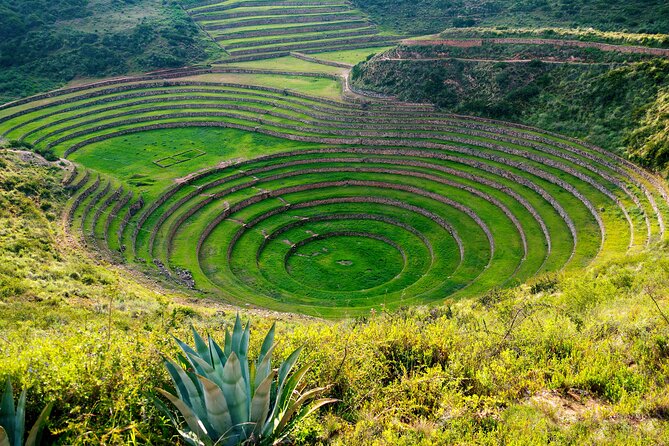
Moray is the main event of this tour, and it’s not just because it looks unusual. You’re walking among circular agricultural terraces that were designed to test how crops might respond to changing conditions. The setting feels like a natural amphitheater, and that matters because the terraces aren’t shallow decorations—they’re an engineered system with channels and levels.
Start here and you’ll understand quickly why this place became famous. Historians link Moray to an Inca agricultural laboratory, where each terrace platform connected to its own irrigation canals. The idea was simple but clever: different water and exposure conditions could influence growing results across space.
You’ll spend about 1 hour at Moray. That’s enough time to take in the shape of the site, notice the terrace layout, and follow your guide’s explanation without feeling rushed. If you prefer slower sightseeing, I’d still treat Moray as your anchor stop—you can usually extend your interest here more than anywhere else on the route.
You can also read our reviews of more tours and experiences in Cusco

The temperature trick: why depth matters in Moray
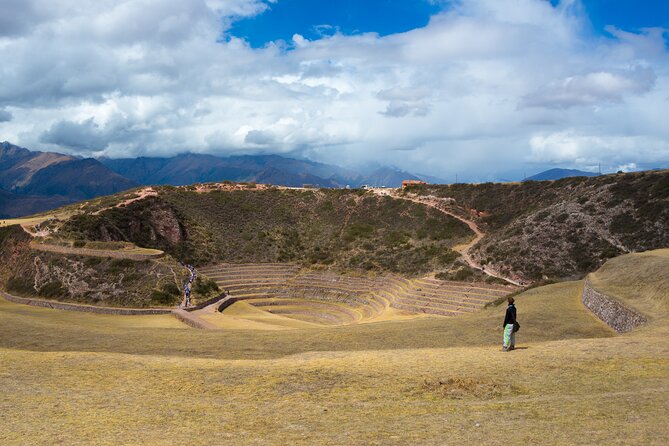
Here’s the science angle that makes Moray worth caring about. The terraces reach depths up to 150 meters, and the average annual temperature difference between the top and bottom can reach 15°C. That’s a huge gap, and it’s the heart of why the Incas treated Moray like an outdoor testing ground.
So when you look down from one level to another, you’re not just seeing stepped stone. You’re seeing a location that could support different conditions in the same general area. If you like travel that teaches you something you can actually picture, Moray delivers.
One practical note: with this kind of depth and changing light, your photos can look better when you move slowly and choose your viewpoints carefully. Don’t just shoot from the first spot. Take a minute, glance up and down, then decide where the best angle is.
Maras town: colonial-era flavor in an Andean community
After Moray, you’ll head to Maras, a colonial town that keeps strong Andean traditions and customs. This isn’t a long-stop museum moment; it’s more of a wander. You’ll have about 45 minutes to look around and take in the streets and architecture.
What stood out in the description is the look of the houses—especially the colonial-style stone doors. In places like this, those details can be easy to miss if you’re rushing. Give yourself time to slow down and notice the entrances, masonry, and how everyday life fits right next to older styles.
Admission here is free, which is nice when you’re already budgeting entrance fees for Moray and the salt pans. Also, because the stop is short, you’ll want to stay focused on what you care about: street photos, quick walking, and maybe a few questions for your guide about how the town’s identity mixes Andean and colonial influences.
Salinas de Maras: active salt mines, not just scenery
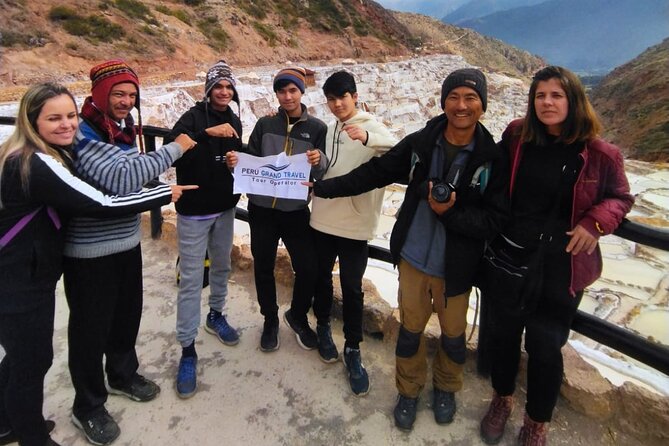
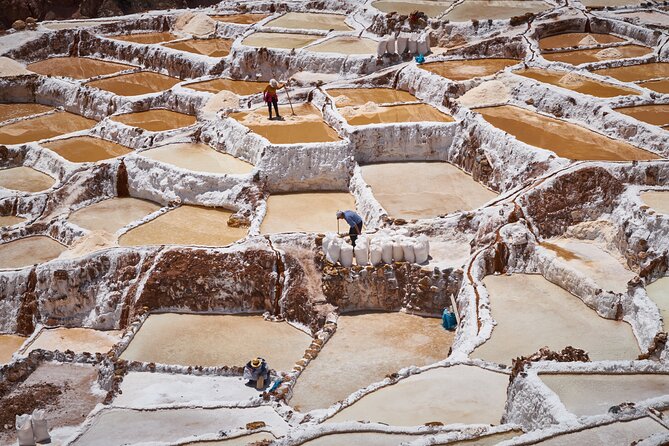
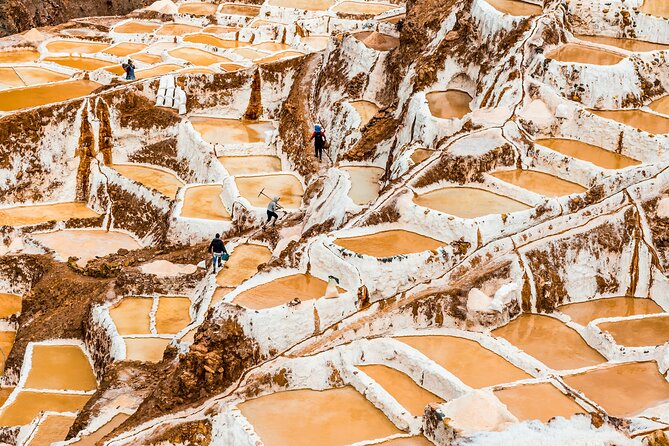
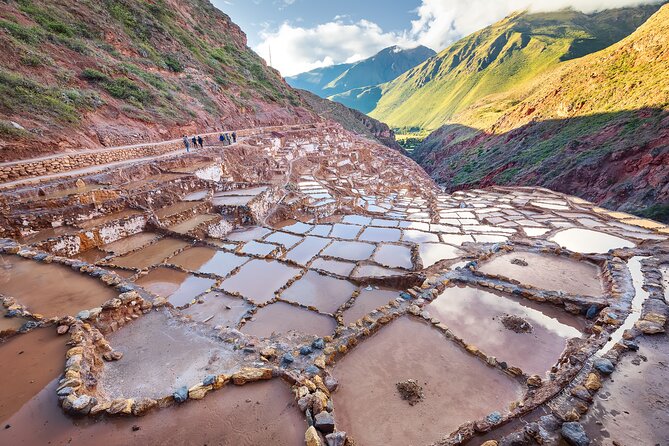
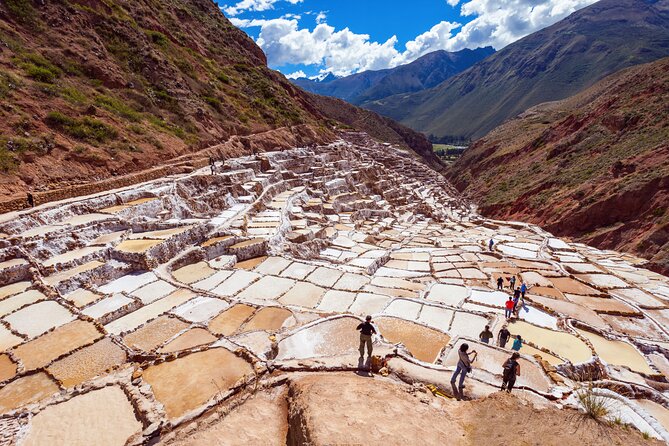
Then comes the payoff for most people: Salinas de Maras, the salt mines that are still producing. You’ll see salt pans being used by farmers today, and the schedule is basically daily work—so this is a working landscape, not an abandoned set.
The key detail is that the mines continue to be exploited in a way that echoes Inca times. You’re not watching a reenactment. You’re seeing ongoing production in a place shaped by centuries of water flow and salt extraction.
This stop is about 45 minutes. That’s enough to walk through the main viewpoints, understand what you’re looking at, and get photos without feeling like you’re stuck for hours. If you love photographing textures, geometry, and color changes from pan to pan, this is where your camera gets a workout.
Also keep in mind the practical reality of salt works: conditions can change. Light, wind, and sun exposure can make you feel warmer or cooler faster than you expect. Bring sunglasses and protect your face and hands if you’re sensitive to sun.
Timing and pacing: how three stops fit into six hours
On paper, the 6-hour duration looks tight. In practice, it usually works because Moray, Maras, and Salinas each have a clear time box: 1 hour, 45 minutes, 45 minutes. The rest is the road time plus the usual flow of group travel.
Starting at 8:00 am is a smart move. Cusco-area trips run into midday heat and crowds elsewhere, and an early start helps you keep the day comfortable. It also gives you better lighting for Moray’s terrace views if the sky cooperates.
The one pacing risk is the “between stops” time. Some tours can include brief detours that aren’t the headline sites, and one guest specifically flagged that there were imposed shop stops that felt time-consuming compared to what you actually came for. If that happens on your departure, I’d keep your expectations realistic and consider skipping purchases quickly so you can refocus on the main attractions.

Price and value: what the $45 really covers
The tour price is $45.00 per person and it includes a lot of the stuff that makes day trips painless. You get hotel pickup, round-trip tourist transportation, a professional guide, and agency services.
What’s not included is the part you can’t ignore in your budget: entrances. You’ll pay:
- Moray: PEN 70.00 per person
- Salinas de Maras: PEN 20.00 per person
Maras is free for admission.
So your all-in estimate for tickets alone is PEN 90.00, plus the $45 tour price. Food and drinks are also not included, so plan on buying or bringing your own snacks.
Is this good value? For me, it’s a yes if you want a guided flow and you care about understanding what you’re seeing. Moray and Salinas are not just quick-look places. With a guide, you get the story behind the terraces and the reasoning behind why conditions vary so dramatically.
If you’re the kind of traveler who hates paying entrance fees or you’re happy going independently, you might compare options. But the structure here is clear: you’re paying for time saved and a guide to connect the dots across three sites.
Small-group comfort and guide support
This is limited to 15 travelers, which is the sweet spot for a day like this. Small groups are easier to manage on the road, and it usually means you can actually hear your guide and ask follow-up questions. You also tend to move with more flexibility at key moments—especially at photo stops.
Your guide is listed as professional and available in Portuguese, English, or Spanish. That matters because Moray’s microclimate explanation is the kind of topic where translation quality affects how much you get out of it.
If you’re traveling with a language preference, double-check what’s available at booking time. And once you’re in the van, ask your guide one simple question early in the day—something like what they want you to notice at Moray. You’ll get more out of the walk if you have that mental checklist.
What to bring for a smooth, comfortable day
Since the tour doesn’t include food, you’ll want to think like this is a short hike day even if you’re not doing a big trek.
Bring:
- Water and a snack or two (or money to buy food)
- Sun protection (Cusco-area sun can be sneaky even when it feels cool)
- Comfortable shoes for walking around terraces and salt pans
- A light layer in case mornings feel crisp
Also, expect that you’ll do a lot of standing and looking. I always pack a small plan: where you’ll pause for photos, where you’ll rest your feet, and when you’ll grab a snack. It keeps the day from feeling like nonstop motion.
Who should book this Moray, Maras, and Salinas tour?
This tour fits best if you want a focused hit of three different flavors in one day: engineered Inca agriculture at Moray, a real community stop in Maras, and working salt pans at Salinas. It’s a great choice for first-timers in the Cusco area who don’t want to build logistics from scratch.
I’d also recommend it if you like guided context. Moray’s temperature and microclimate story lands much better when someone explains it as you look at the terraces.
It may be less ideal if you’re extremely sensitive to changes in schedule or you dislike any kind of stop that feels like shopping. The core sites are solid, but the day depends on how your specific driver and operator handle the route.
My take: should you book it?
If your goal is to see Moray + Maras + Salinas de Maras in a single morning-to-afternoon window with hotel pickup, a guide, and a small group, this is a strong way to do it. You’ll pay extra for entrances at Moray and Salinas, but the route is efficient and the stops are the exact kind that benefit from explanation.
My decision rule is simple: book this if you want clarity, convenience, and a guided connection between an Inca experiment and a still-working salt industry. If you hate any extra time spent away from the headline sites, plan mentally for possible detours and set your boundaries early.
Overall, with a 4.8/5 rating and a reputation for good logistics, this is the kind of day trip that can feel like you got your money’s worth—especially at Moray, where the details are the whole point.
FAQ
What time does the Moray and Maras Salt Mines tour start?
The tour starts at 8:00 am.
How long is the tour?
It runs about 6 hours.
How many people are in the group?
The group size is capped at 15 travelers.
What’s included in the tour price?
Included are hotel pickup, round-trip tourist transportation, a professional guide (Portuguese, English, or Spanish), and agency services.
How much should I budget for entrance fees?
You’ll need to pay PEN 70.00 for Moray and PEN 20.00 for Salinas de Maras. Admission to Maras is listed as free.
Is there free cancellation?
Yes. You can cancel for a full refund as long as you cancel at least 24 hours before the experience’s start time.