REVIEW · CUSCO
1 day excursion to Qeswachaka bridge and the 4 lagoons
Book on GetYourGuide →Operated by Journey Peru SAC · Bookable on GetYourGuide
The Qeswachaka bridge and the four Andean lagoons make this day trip feel both ancient and wild. I especially like the chance to see the last Inca-origin suspension bridge, then switch gears to bird-rich waters at Pomacanchi and quiet shoreline views at the smaller lagoons. One thing to plan for: the drive starts at 4:00 a.m., and in some situations you may not be able to walk the bridge even when you reach it.
What makes the experience work is the rhythm. You get breakfast in Cusipata, a guided stop for photos and context at Queswachaka/ Qeswachaka, then lagoon hopping with a guide who explains what you’re looking at. After that, you head back with lunch in Cusipata and arrive in Cusco around 18:00.
Because this is a long van day on winding roads and high altitude, it’s not a relaxed sit-and-do-nothing outing. If you’re tall or easy to get carsick, think about comfort before you book.
In This Review
- Key things I’d put on your radar
- When Your Day Starts at 4:00 a.m.: The Cusco to Lagoons Rhythm
- Cusipata Breakfast: A Small Village Reset at Altitude
- Queswachaka Bridge: What You’ll See and When You Might Not Cross
- Pomacanchi Lagoon: Birding and Open Views
- Acopia Lagoon: A Short Hop, A Different Mood
- Asnacocha Lagoon: Mineral Talk Without the Lecture
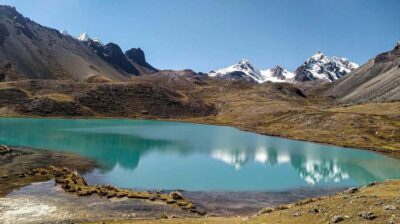
- Pampamarca Lagoon: The Finish Line of Scenery
- The Return Drive and Cusipata Lunch: How to Plan Your Day
- Price and Value of a $50 Full-Day Bridge-and-Lagoons Tour
- Who Should Book This, and Who Should Skip It
- Should You Book This Tour?
- FAQ
- What time does the tour pickup happen in Cusco?
- How long is the excursion?
- What’s included in the price?
- Are entrance fees included?
- Do I need to book in advance?
- How do I reserve and pay?
- What languages will the guide speak?
- What should I bring for the day?
- Is the tour free to cancel?
Key things I’d put on your radar
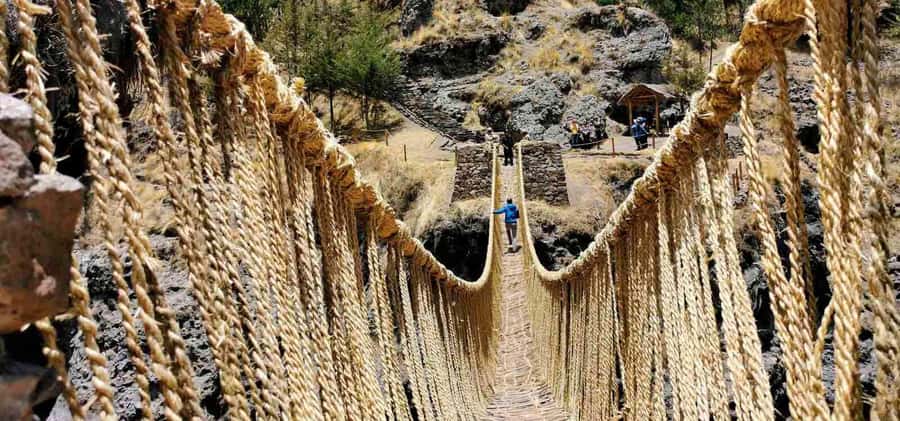
- Last Inca-style suspension bridge with guided photo stops and a quick explanation
- Four different lagoons in one route: Pomacanchi, Acopia, Asnacocha, Pampamarca
- Breakfast + lunch included in Cusipata so you’re not scrambling at altitude
- Early start, long drive that can feel tight in the van for some body types
- Wildlife + scenery focus (especially birdlife around Pomacanchi)
- Bridge access can vary depending on conditions at the time you go
When Your Day Starts at 4:00 a.m.: The Cusco to Lagoons Rhythm
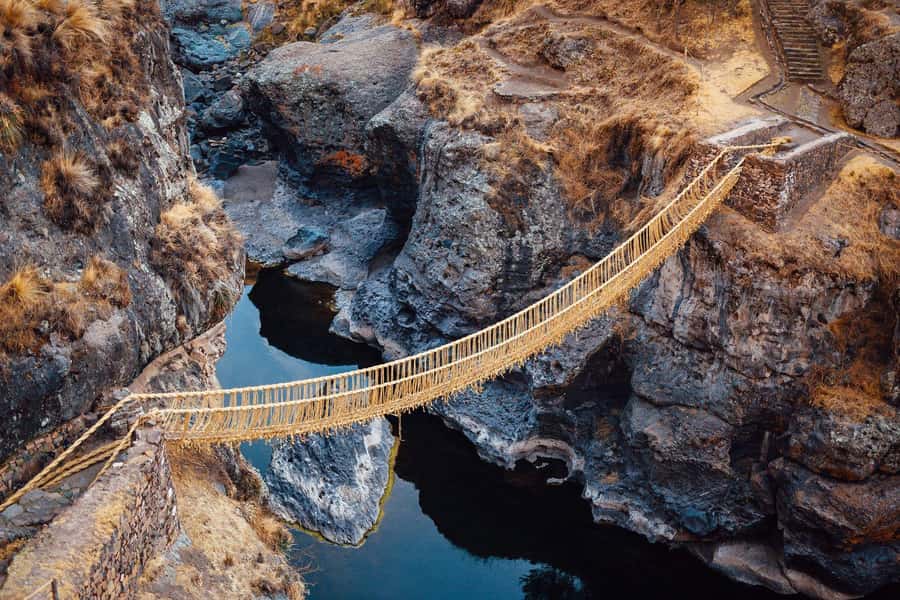
This trip is built around an early departure from Cusco. Pickup is at 4:00 a.m. near the historical center, and you’ll head south toward the lagoon route. Expect a full day: you’ll wrap up and return to Cusco at about 18:00.
The long drive matters because it shapes the whole experience. You’re trading a slow morning in Cusco for a day that fits the bridge and all four lagoons. It also means altitude can hit you sooner, so go easy after pickup and drink water early.
One practical heads-up: roads and turns can make the ride feel bumpy. In one case, a passenger said the van felt cramped due to height, even though the guide tried to help. If you’re tall, or if you hate being squeezed behind a tight seat, consider asking about the vehicle type when you reserve.
You can also read our reviews of more tours and experiences in Cusco
Cusipata Breakfast: A Small Village Reset at Altitude
Before you reach the bridge area, you stop in the village of Cusipata for breakfast. This is more than a caffeine break. It’s a smart timing choice because you’re about to spend hours outdoors, and you’ll want energy before the altitude and the photo stops.
What you’re really doing here is setting yourself up for comfort. If you start the day hungry, the long ride and early wake-up can feel harsher than it needs to. Breakfast in Cusipata also breaks up the monotony of driving so you’re not starting lagoon photography with shaky legs.
Bring a sun hat and sunglasses, even in the morning. Early starts don’t mean cold skies, and Andean sun can still be strong. Water is on your packing list for a reason too—you’ll be outside for a while.
Queswachaka Bridge: What You’ll See and When You Might Not Cross
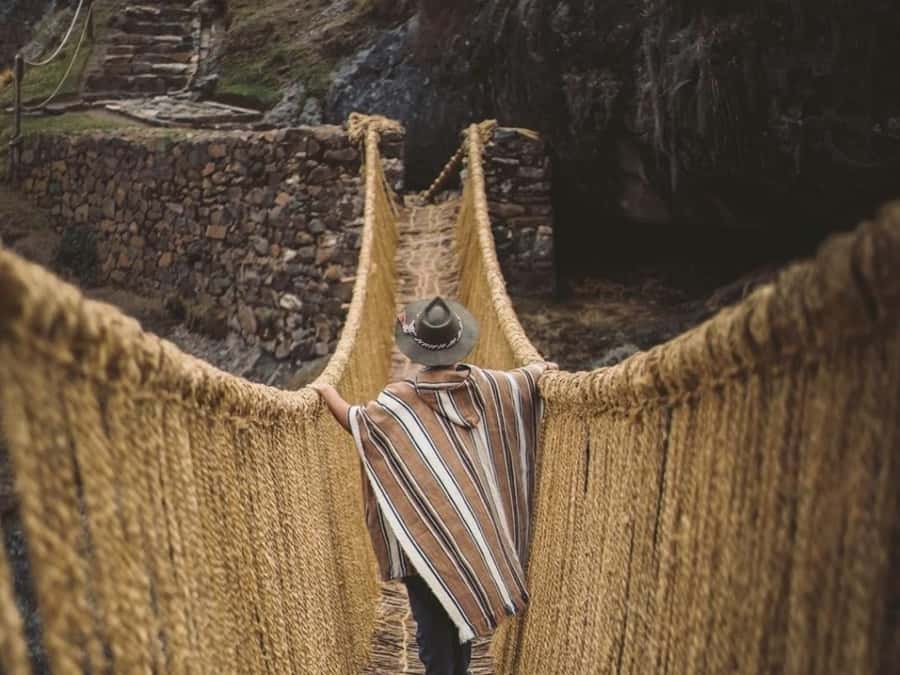
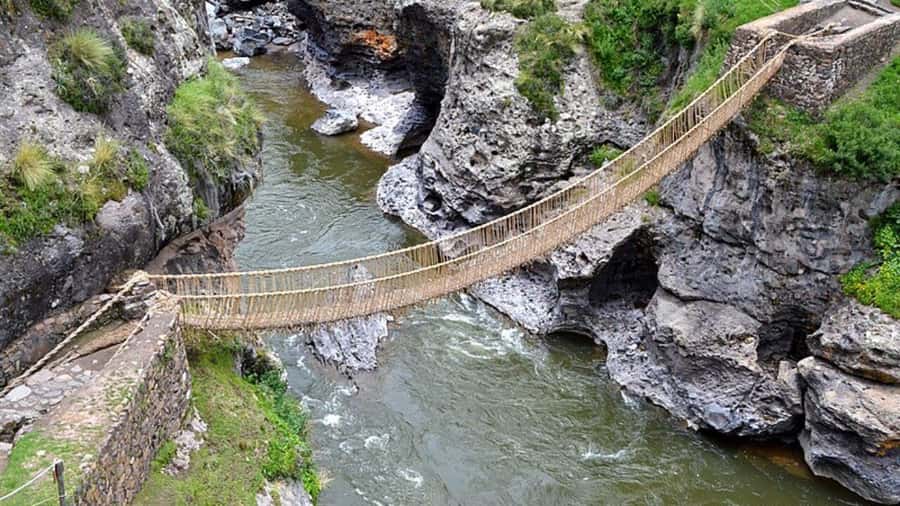
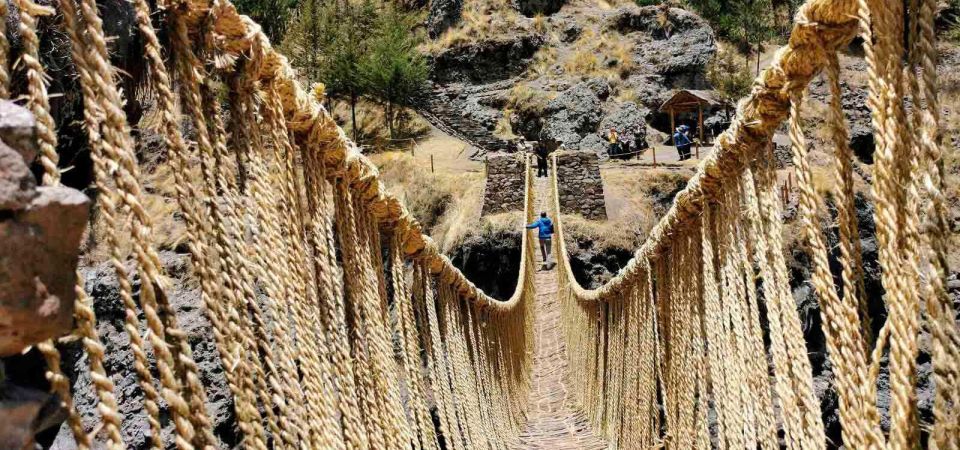
The highlight is the Queswachaka suspension bridge, described as the last suspension bridge of Inca origin. Your route brings you to Quehue, where you’ll observe the bridge, take pictures, and get a brief explanation from the guide.
You should know one key consideration: bridge access isn’t always guaranteed. In one departure, the bridge was reportedly already cut off, so the group couldn’t cross. The bridge was expected to be rebuilt later in the season. That’s unusual, but it does point to a simple strategy: confirm conditions close to your tour date if crossing the bridge is a must for you.
Even if you can’t cross, the approach and viewpoints are still the point. You’ll get guided context, and the bridge’s design is the kind of thing that snaps your brain into history mode without needing a museum. It’s also scheduled for a second look on the way back, giving you another chance to photograph the bridge in different light.
Pomacanchi Lagoon: Birding and Open Views
After the bridge stop, you head to your first lagoon: Pomacanchi Lagoon, listed as the largest of the four. This is where the tour shifts from engineering to nature.
Pomacanchi is known for a great variety of birds. That matters because it turns lagoon time into something active. Instead of just staring at water, you’ll be scanning shorelines and searching for movement in the sky and along the edges.
If you’re a bird watcher, this is the lagoon to slow down in. Even if you’re not, it helps to bring your camera and keep it handy. The best moments often happen when you stop rushing between stops.
The tradeoff: you’ll still move on to other lagoons afterward. So treat Pomacanchi as your quality time moment. If you’re thinking of which part of the day you’ll remember most, it’s often this one.
Acopia Lagoon: A Short Hop, A Different Mood
A few kilometers from Pomacanchi brings you to Acopia Lagoon. The itinerary keeps the timing simple: you’ll transfer and then view the lagoon as part of the guided route.
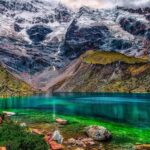
This stop is less about a single stated specialty and more about variety. Each lagoon has a different feel—light, color, shoreline details, and the way wind moves across open water. Acopia helps you break up the longer stretch of travel into “real scenes,” not just long transfers between big hits.
If your goal is photos, Acopia is a good place to practice. You’ve already seen the bridge, and now you’ll be composing with water and sky. Keep your hat on, because wind can pick up quickly at elevation.


Asnacocha Lagoon: Mineral Talk Without the Lecture
Next comes Asnacocha Lagoon, described as rich in mineral resources. That description is a clue for what your guide will likely point out: the visual cues and environmental features tied to mineral content.
You don’t need a geology degree to enjoy this stop. In practice, mineral-rich lagoons can look different from one another—texture along shorelines, color shifts, and how the light reflects off the water and sediments. The value of a guided stop here is that you’ll look smarter, not just longer.
If your day includes any extra roadside explanations (like stops for a mini-volcano view, plant talk, or notes about an Inca way/path), Asnacocha is a natural place for that kind of storytelling to connect the dots. Your guide’s job is to make the scenery feel readable.
Pampamarca Lagoon: The Finish Line of Scenery
The last lagoon is Pampamarca Lagoon, where the focus is on enjoying a beautiful natural environment as the day’s outdoor section winds down.
By this point you’ve already seen birds at Pomacanchi and the different lagoon atmospheres at the others. Pampamarca often feels like a calm wrap-up—less about learning something new every minute and more about soaking in the final views before the return.
This is also where you should double-check your basics: sunscreen, water, and a camera you can grab quickly. Late-day sun can be lower, shadows longer, and colors more dramatic—great for photos, but you still need to stay comfortable.
Then you’ll continue on to Quehue again for the Queswachaka bridge photo stop before heading back toward Cusipata for lunch.
The Return Drive and Cusipata Lunch: How to Plan Your Day
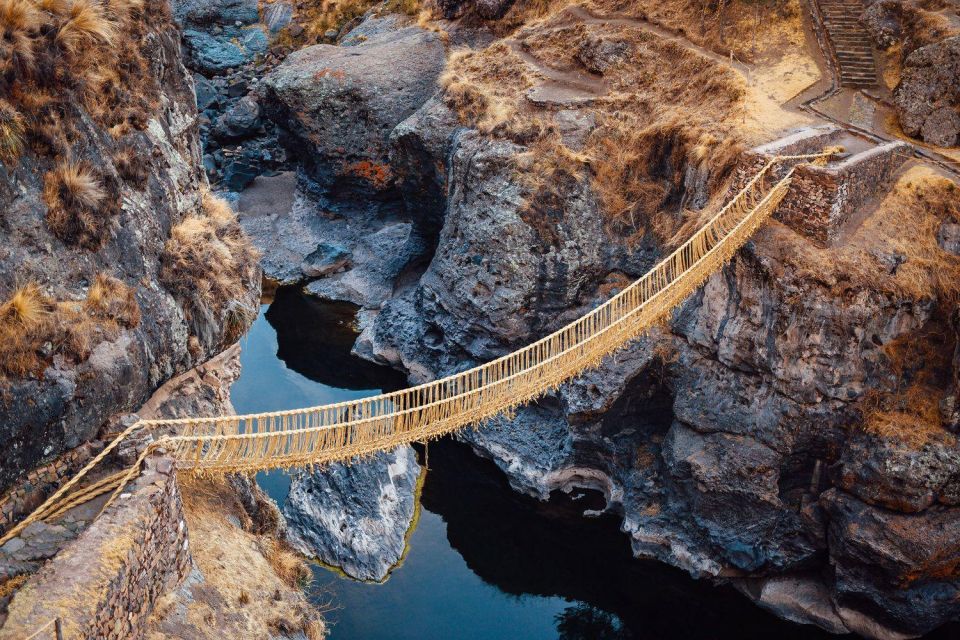
After the guided lagoon visits, you’ll head back toward Quehue for another bridge viewing and a second set of photo time. Then it’s back to Cusipata, where you’ll enjoy lunch.
Lunch is important here because you’ll likely be hungry after hours outdoors and a long drive. It’s one of the reasons this tour feels like good value: you’re not burning time searching for food in small towns or trying to coordinate meals during a hectic schedule.
For the ride back to Cusco, expect the same “long road” factor. If you get car sick, it’s smart to plan for it. Even if you feel fine in Cusco, the combination of early start, altitude, and turns can add up.
Arrival in Cusco is around 18:00. That timing usually works well if you’re not planning a second big activity the same evening.
Price and Value of a $50 Full-Day Bridge-and-Lagoons Tour
At $50 per person, this day trip is priced for what you actually get: transportation, a bilingual guide, breakfast, and lunch, plus the structured stops for the bridge and all four lagoons. Entrance fees aren’t listed as included, so any paid access (if required on the day) would be extra.
In value terms, the big win is that you don’t have to self-organize a complicated route. The day is long and logistically tricky to piece together on your own, especially with an early 4:00 a.m. start and multiple stops.
The second win is guidance. The bridge and lagoons are visually impressive, but the guided explanations are what turn good photos into meaningful memories. If you care about understanding what you’re seeing—Inca bridge traditions, lagoon character, and local plant or story stops—the guided format justifies the cost.
The main value risk isn’t price. It’s expectations about bridge crossing. If your heart is set on walking the bridge, confirm access close to departure.
Who Should Book This, and Who Should Skip It
This tour suits you if you want a structured day that hits two major themes: Inca-era engineering and Andean lagoon nature. It’s also great if you enjoy photo stops but still want some explanation, not just scenic drive-by views.
It may not be the best match if:
- You’re pregnant
- You have heart problems
- You use a wheelchair
It can also be tough if you’re tall and worry about tight van seating, or if winding roads make you uncomfortable. The itinerary is straightforward, but the day is long and early.
One more practical note: alcohol and drugs aren’t allowed. That’s part of keeping the day safe and respectful, especially when you’re outdoors for long stretches.
Should You Book This Tour?
Yes, if you want a one-day hit of Queswachaka bridge views plus four lagoon scenery, and you like having breakfast and lunch handled. The route is built for variety, and the bird focus at Pomacanchi adds extra payoff.
I’d book with one condition in mind: bridge access can vary. If crossing the bridge is non-negotiable for you, contact the operator ahead of time (via WhatsApp) and ask about conditions for your date. If you’re flexible—happy with strong viewpoints even without a crossing—you’ll likely feel like you got your money’s worth.
FAQ
What time does the tour pickup happen in Cusco?
Pickup is at 4:00 a.m. from your hotel near the historical center of Cusco.
How long is the excursion?
It’s a 1-day tour, with an approximate return arrival time in Cusco of 18:00.
What’s included in the price?
The price includes pick up from your hotel, transportation, a bilingual guide (English/Spanish), breakfast, and lunch.
Are entrance fees included?
Entrance fees are not included.
Do I need to book in advance?
Yes, it’s recommended to book at least 24 hours in advance.
How do I reserve and pay?
You can reserve and use a pay-later option, and you can contact the operator through WhatsApp to organize the trip.
What languages will the guide speak?
The guide is listed as bilingual, with English and Spanish.
What should I bring for the day?
Bring your passport or ID card, sunglasses, a sun hat, a camera, sunscreen, and water.
Is the tour free to cancel?
Free cancellation is offered up to 24 hours in advance for a full refund.