REVIEW · CUSCO
Ayahuasca Ceremony 1 Day in Cusco
Book on GetYourGuide →Operated by World Explorer Peru · Bookable on GetYourGuide
San Pedro nights near Cusco feel quietly powerful. This one is set close to town, about 15 minutes from Cusco, but it’s run in a natural, remote-feeling spot with a full ritual arc: fire opening, cleansing, guided meditation, and ancestral music. I like the structure—especially the careful step-by-step lead-in and the calm tone around the medicine. I also like the small-group limit (up to 10), plus the practical attention to preparation like the diet. One consideration: it’s not a casual activity, and the rules around food, substances, and health mean you need to prep and self-screen seriously.
This experience is marketed as an ayahuasca-style healing night in the Cusco area, but the medicine described here is San Pedro (Wachuma)—a cactus medicine associated with mescaline in the provided material. The effects are described as subtle altered states that last roughly 5 to 7 hours, with no loss of consciousness. If you’re expecting something extreme or purely visual, you might be surprised by how much emphasis is placed on relaxation, release, and integration instead.
In This Review
- Key things I think you should notice first
- Cusco San Pedro Wachuma: what this ceremony is really aiming to do
- Getting to Pisac and your 1-night Cusco schedule
- Pre-ceremony diet: how to set yourself up for a calmer session
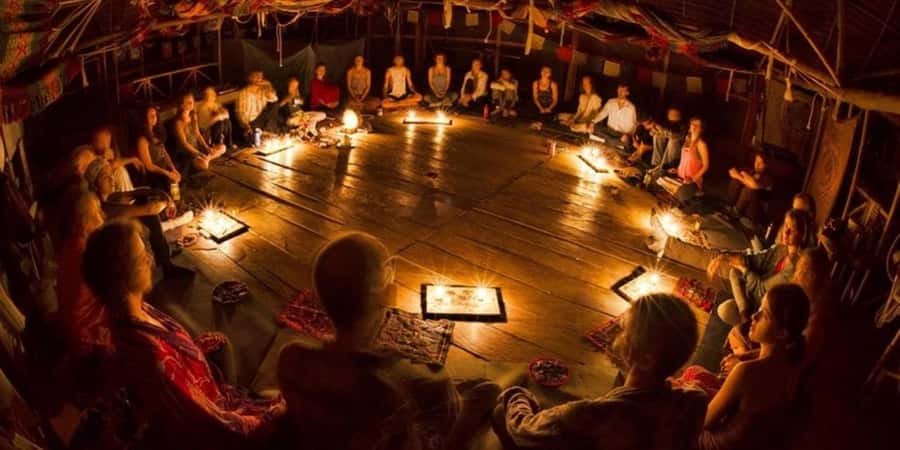
- The ceremony opening: fire, black tobacco cleansing, and the sacred space
- The timeline after drinking: subtle changes, 5–7 hours, and no loss of consciousness
- Connect, heal, release: the 4 elements energy work
- After the medicine: eating lightly, then returning to lodging
- Packing list and rules: the practical stuff that makes the day easier
- Price and value: what the $380 covers (and why it can be worth it)
- Who should book this Cusco Wachuma ceremony, and who should skip it
- Should you book this Cusco San Pedro Wachuma experience or not?
- FAQ
- What medicine is used in this Cusco ceremony?
- How long do the Wachuma effects last?
- When do altered states start after drinking?
- Where is the ceremony located relative to Cusco?
- What is included in the price?
- Do you get picked up from the city?
- Do I need to follow a diet beforehand?
- Who is this experience not suitable for?
- What should I bring and what isn’t allowed?
Key things I think you should notice first
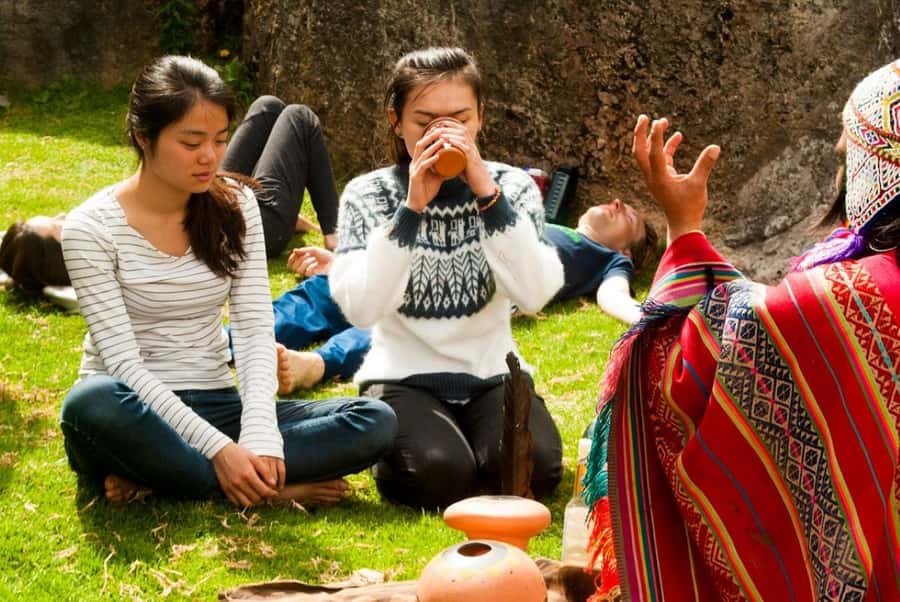
- 15 minutes from Cusco, in a remote-feeling setting so you get nature without losing the safety of being near the city.
- Black tobacco cleansing + flowery water as a clear ritual opening before drinking Wachuma.
- A 1-hour lead-in before altered states, with effects described as subtle and consciousness maintained.
- Energy work with the 4 elements (earth, fire, air, water) tied to the ritual process.
- Ancestral music with traditional instruments used during the sacred space opening.
- Small group (limited to 10 participants) and instruction available in English and Spanish, led by Master shaman Luis.
Cusco San Pedro Wachuma: what this ceremony is really aiming to do
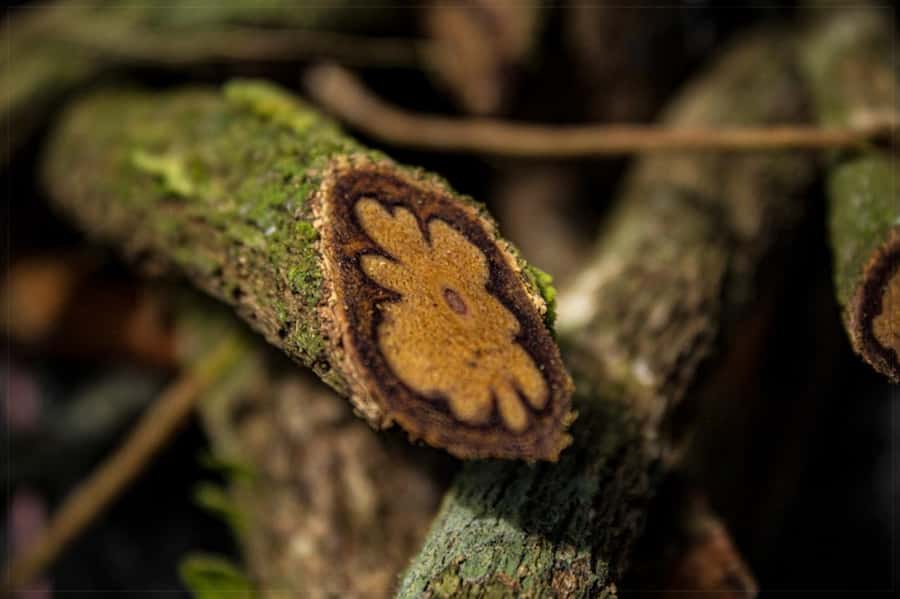
The heart of this experience is the medicine ceremony focused on connect, heal, release. The goal isn’t framed as entertainment. It’s framed as a process: prepare your body, open a sacred space, drink the ancestral medicine, and move through a ritual designed to help you let go of what you’ve carried.
The setting matters. Even though you’re close to Cusco—about 15 minutes away—the ceremony place is described as natural and remote. That combination tends to help you drop out of city mode. You’re not trekking for hours just to reach a spot; you’re already in the Sacred Valley atmosphere, where wind, firelight, and darkness feel like part of the ritual rather than background noise.
Also, the medicine used here is San Pedro Wachuma, described in the material as a natural mescaline-based concoction. That matters because the tone of the ceremony is more about gentle relaxation and physical-emotional integration than forcing intensity. The instructions emphasize that the altered state begins after about an hour, is described as very subtle, and that consciousness is not lost.
Led by Master shaman Luis (with his wife also part of the team), the experience is presented as traditional and process-heavy. In the same practical spirit, the guidance includes a specific diet and clear rules for before and after.
You can also read our reviews of more tours and experiences in Cusco
Getting to Pisac and your 1-night Cusco schedule
This is a transportation-based experience built around Cusco and Pisac. You get pickup from multiple Cusco-area locations (there are many options, from central spots like Plaza De Armas and avenues/markets to nearby neighborhoods). Private round-trip transport between Cusco and Pisac is included.
Even though it’s sold as a 1-day experience, the plan includes 1 night of rustic lodging. That’s important. You’re not just doing a single evening and leaving the same night. You’re doing the ceremony, then settling in for an overnight, with a morning component that includes sunrise time.
The day also includes time in Pisac beyond the ceremony: a guided tour, walking time, and a tea ceremony. If you’re visiting Cusco, this is a nice way to avoid making the trip only about the ceremony. You get a real taste of the area’s pace—moving around, eating simple food, and letting the day unfold rather than racing from one highlight to another.
Timing-wise, the main ceremony portion is described as about 7 hours. That lines up with the effect window described for Wachuma (around 5 to 7 hours, reaching through to midnight). So the schedule is built to match the medicine timeline instead of cramming you into a too-tight timetable.
Pre-ceremony diet: how to set yourself up for a calmer session
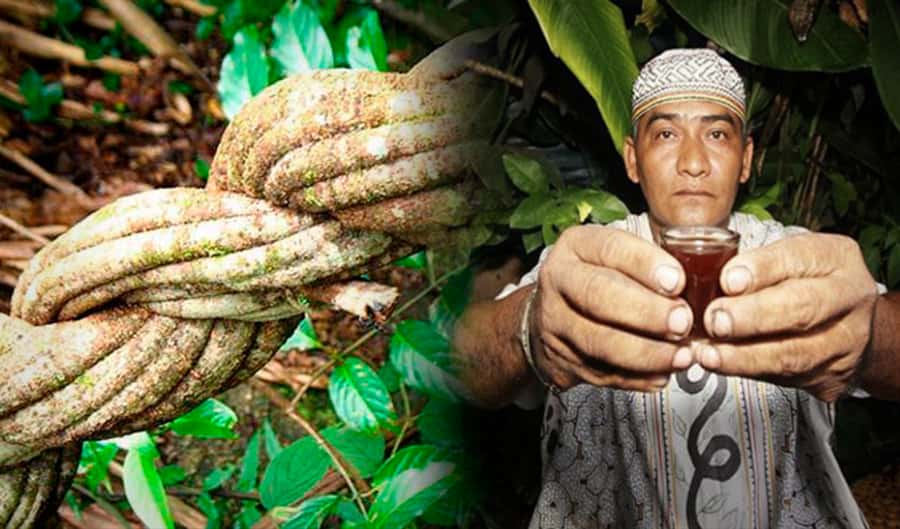
Preparation is where this experience quietly wins points. The guidance is very direct: you need a diet at least 1 day before, and ideally 3 days before for better reception of the drink, meditation, and rest.
What that diet looks like in practical terms:
- Avoid meat of any kind.
- If possible, don’t eat dinner the night before.
- Eat fruit and drink plenty of water, plus tea or hot tea without sugar.
- Avoid alcohol and other substances and strong drinks.
- Plan to rest the day before and avoid physical fatigue-producing movements.
Why this matters: the material explicitly connects diet to digestion and a better personal experience. Even without getting overly technical, you can see the logic. In a ceremony where your body is already doing a lot—altered states, deep relaxation, and ritual cleansing—heavy or irritating food can make everything harder. A lighter system tends to feel safer and more comfortable.
Don’t ignore the self-screening section either. This isn’t framed for everyone. It notes it’s not suitable for:
- Children under 9
- Pregnant women
- People with pre-existing medical conditions
If any of those apply, do not try to “tough it out.” This is exactly the kind of moment where you want clear, conservative choices.
The ceremony opening: fire, black tobacco cleansing, and the sacred space
The ceremony begins with the lighting of the fire. That opening isn’t just symbolic here. It sets the atmosphere and marks the shift from normal life into ritual time.
Then comes an energetic cleansing using:
- black tobacco
- flowery water
You can think of this as the moment where the ceremony team helps you transition into the space. The instructions say it relaxes your senses and prepares you with a small meditation before you drink.
After cleansing, you do that pre-medicine meditation and then drink the ancestral medicine Wachuma. The material describes the ceremony’s first big milestone as time-based: after about 1 hour, you’ll experience altered states.
The sacred space opening is guided. You ritualize by opening your sacred space and sharing the meditation guided by nature and the fire. The team uses ancestral music with traditional instruments as part of the opening and the ongoing rhythm that helps you stay present.
A detail I appreciate in the way this is described: you’re told the meditation induced during the medicine merges with the nature of the place. So you’re not being pushed into a forced visualization. You’re being asked to let the environment and the ritual guide your internal experience.
The timeline after drinking: subtle changes, 5–7 hours, and no loss of consciousness
After you drink Wachuma, the material gives a pretty clear timeline:
- Around 1 hour: altered states begin.
- The effects are described as very subtle at first—your perception of air and vision of the environment can shift slightly.
- The experience lasts about 5 to 7 hours, continuing until about midnight.
- At no time is consciousness lost.
That combination—subtle onset plus maintained consciousness—is a key part of why some people prefer San Pedro-style ceremonies. You’re not aiming for blackout. You’re aiming for a controlled, guided experience where you can still follow instructions, settle into meditation, and stay connected with the ritual.
The altered state is described as a merger with the shamanic ancestral presence. Again, you don’t need to interpret it literally to understand the intention: the ceremony is trying to help you feel like you’re part of something bigger than your day-to-day thoughts.
Also note the emphasis on relaxation in the physical-emotional body. The material frames the process as quiet resting rather than manic momentum. So if you tend to get anxious around the unknown, this “relax-and-release” framing can feel reassuring.
Connect, heal, release: the 4 elements energy work
This ceremony isn’t only about taking the medicine. It’s also about how the ritual is structured around cleansing and energy release through the 4 elements:
- earth
- fire
- air
- water
The material describes this as energetic work closely linked to the ritual preparation. The aim is to help release energy charges accumulated in the body.
You don’t have to adopt every belief-system detail to get value from the process. What matters is the practical effect of structure:
- you do a cleansing,
- you prepare the body (diet and rest),
- you enter the sacred space,
- you move through guided meditation and music,
- you spend time in the medicine window,
- then you return with instructions for integration.
The “Connect – Heal – Release” language is basically a map for intention. Connect is about attention and relationship to the space and ritual. Heal is about quiet work in your emotional and physical experience. Release is about stepping out lighter—letting go of tension, stuck patterns, or what the material calls energy charges.
The material also emphasizes integration and unification, a harmony where nature becomes your source of meditation, relaxation, and liberation. In human terms: you’re trying to slow down your mental churn and let your body lead the way for a while.
And it’s not framed as an interrupted consciousness. You’re told the daily cycle of thoughts gets paused, helping you stop recreating thoughts without interruption. That’s a big claim—but the ceremony’s emphasis is consistent: calm, relaxation, and meditation-based release.
After the medicine: eating lightly, then returning to lodging
Once the ceremony effects wind down, you’re not left to fend for yourself. The instructions say that after the end of the ceremony, being able to eat food is part of the experience, and it recommends some fruit and water before your return to lodging.
So plan to keep your food expectations simple. Don’t assume a heavy meal will feel good right after a long medicine period. The whole program logic points to gentle intake and rest.
Since the schedule includes 1 night of rustic lodging, you’ll have time to settle without immediately hopping on a bus back to another city stop. The overnight also reduces pressure. Instead of measuring your experience by how fast you can reach the next thing, you’re allowed to recover and reset.
Then there’s the morning component that includes sunrise time and the Pisac segments (guided tour and walking). Even if your morning brain feels slower than usual, that structure can help you gently come back online—movement, scenery, and daylight—without turning the day into a sprint.
Packing list and rules: the practical stuff that makes the day easier
This experience has a clear “bring what you need for comfort” list. Follow it. Cold nights around Cusco can be real, especially once the ceremony starts.
Bring:
- Warm clothing
- Change of clothes
- Comfortable clothes
- Sleeping bag
- Gloves
- Socks
- Scarf
- Camera
- Daypack
- Cash
- Water
Important: Water isn’t listed as included, so bring your own. You’ll thank yourself later.
Also follow the rules. The material lists many no-go items, including:
- No weapons or sharp objects
- No pets (assistance dogs allowed)
- No smoking in the vehicle or indoors
- No alcohol and drugs
- No intoxication
- No littering
The intention is pretty clear: keep the ritual space clean, calm, and safe. When everyone follows the same guidelines, the ceremony can stay focused.
One more practical note: the rules don’t mention phones directly as a problem, but it does list phone calls as not included. So assume you’re doing this unplugged. Put your phone away and trust the process.
Price and value: what the $380 covers (and why it can be worth it)
The price listed is $380 per group for up to 1 participant, while the group size is described as limited to 10 participants. That sounds like pricing is handled per booking format, but the takeaway is the same: you’re paying for more than just the ceremony.
Here’s what’s included:
- Private round-trip transportation (Cusco to Pisac)
- SAN PEDRO WACHUMA ceremony and the Wachuma drink
- 1 night of rustic lodging
- Natural breakfast
- Energetic cleaning work linked to the 4 elements
- Ancestral music with traditional instruments
- Meditation
What’s not included includes: water, travel insurance, and personal equipment.
When you compare this to piecemeal travel (getting a car, paying for a guide, booking lodging, arranging ceremony access, and buying the medicine itself), the price starts to make sense. You’re essentially paying for a package where the difficult logistics are handled: transport, the ritual components, and the overnight structure.
The “small group” detail also affects value. With up to 10 people, you typically get a more attentive dynamic than in a huge event. And since the preparation and diet guidance is part of the offering, you’re not going into the ceremony totally on your own.
Who should book this Cusco Wachuma ceremony, and who should skip it
This is a good match if:
- You want a traditional healing-style ceremony experience rather than a party vibe.
- You like structure: diet guidance, ritual cleansing, guided meditation, music.
- You prefer the medicine described here as relaxing, with maintained consciousness.
- You want a Cusco trip that includes more than one evening—Pisac tour time, walking, sunrise, and a night of lodging.
It may not be a good match if:
- You’re looking for something short and fast. The effects last 5–7 hours and the program includes 1 night.
- You can’t commit to the diet and rest guidance.
- You have a pre-existing medical condition, are pregnant, or are under 9 years old.
Also be honest about your comfort with rules. This ceremony includes clear boundaries: no alcohol, no intoxication, no smoking indoors, and no weapons/sharp objects. If you’re not comfortable following strict instructions, skip it.
Should you book this Cusco San Pedro Wachuma experience or not?
Book it if you want a guided, traditional San Pedro Wachuma healing ceremony near Cusco, with a real ritual opening (fire, black tobacco cleansing, flowery water), ancestral music, and a schedule that supports the medicine timeline through midnight. The included transport, rustic lodging, and meditation-focused approach make it feel like a thoughtfully assembled package rather than a last-minute add-on.
Skip it if you can’t follow the preparation diet, can’t handle altered perception even if it’s described as subtle, or if you fall into the not-suitable groups. And if you have any medical concerns at all, the safest move is to speak with a qualified professional before participating.
If you decide to go, treat preparation as part of the ceremony. The diet and rest guidance isn’t busywork. It’s the difference between feeling awkward through the medicine and getting the relaxation and release the ritual is aiming for.
FAQ
What medicine is used in this Cusco ceremony?
The ceremony described uses San Pedro, also called Wachuma, and the material refers to it as an ancestral medicine and a natural mescaline-based concoction.
How long do the Wachuma effects last?
The effects are described as lasting 5 to 7 hours, until around midnight, and you won’t lose consciousness.
When do altered states start after drinking?
The instructions say it takes about 1 hour after drinking for you to experience altered states, described as subtle.
Where is the ceremony located relative to Cusco?
You’ll be close to Cusco, about 15 minutes away, in a natural and remote place.
What is included in the price?
Included are round-trip private transportation (Cusco–Pisac), the San Pedro Wachuma ceremony and drink, 1 night of rustic lodging, natural breakfast, energetic cleaning work connected to the earth/fire/air/water elements, ancestral music, and meditation.
Do you get picked up from the city?
Yes. Pickup is included from many Cusco locations (there are 9 pickup options listed).
Do I need to follow a diet beforehand?
Yes. It’s recommended to diet at least 1 day before, and in general terms to avoid meat. It also suggests fruit and water, hot tea without sugar, and avoiding alcohol and other substances. A diet 3 days in advance is advised for a better experience.
Who is this experience not suitable for?
It’s not suitable for children under 9, pregnant women, and people with pre-existing medical conditions.
What should I bring and what isn’t allowed?
Bring warm clothing, a change of clothes, comfortable clothes, gloves, a sleeping bag, socks, a scarf, a daypack, water, cash, and a camera. Not allowed includes alcohol and drugs, intoxication, weapons or sharp objects, pets, smoking indoors, and smoking in the vehicle.