REVIEW · CUSCO
Horseback Riding Plus Tour to Sacsayhuaman, Quenqo, Puka Pucara and Tambomachay
Book on Viator →Operated by Horseback Riding Cusco · Bookable on Viator
If you want Cusco with a pulse, ride. This half-day tour pairs horseback riding with four famous Inca sites close to the city, with a guide explaining the history and religious customs along the way.
I especially love two things: the way the guides (Benni, Hogler, and Jenny are repeatedly praised) make the Inca story feel clear and answer even messy questions without making you feel rushed, and the pacing that keeps each stop engaging without turning the morning into a long slog. One thing to plan for: the archaeological entrance costs are not included (your Cusco Touristic Ticket/entrance fees are an extra expense you pay directly).
In This Review
- Key things to know before you go
- Why this horseback-and-ruins tour works so well in Cusco
- Sacsayhuaman first: start with a major Inca stop (and stay flexible with timing)
- Puka Pucara and Tambomachay: two more Inca sites, paced for a half-day
- The Vieja Estancia Ranch horseback portion: safety, helmets, and the right horse for you
- What’s included so you feel set up
- The comfort factor that matters
- How long is the ride?
- Important rule: no horse access into ruins
- Q’enqo to wrap: finish with another guide-led Inca site
- Price and what you really get for $95
- The part you should budget for: entrance fees
- What to wear so you don’t fight the Andes
- Wear
- Bring
- Who this tour fits best (and who should skip it)
- Should you book this horseback-and-Inca-sites tour?
- FAQ
- How long is the horseback riding plus ruins tour?
- What does the tour cost?
- Is horseback riding experience required?
- What is included in the price?
- Are the archaeological entrance fees included?
- What are the weight and age limits?
- What should I wear for the ride?
- What if the weather is bad or I need to cancel?
Key things to know before you go
- Horse matching for your comfort level: horses are selected based on rider experience and confidence.
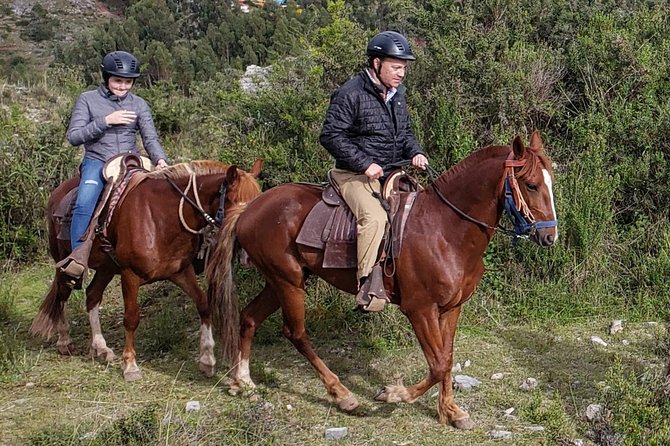
- Safety gear is included: saddle setup and safety helmets, plus a muleteer caring for the horses.
- A true mix of activity and history: ruins visits plus time on horseback, with a guide talking at every Inca stop.
- You do not ride into the archaeological sites: horses stay out of the protected ruin areas to help preserve the soil.
- Small group size: capped at 15 travelers, which helps the day feel more personal.
- Expect roughly 4 hours total: transport, site stops, and riding fit into a half-day schedule.
Why this horseback-and-ruins tour works so well in Cusco
Cusco days can feel intense. Altitude, crowds, and that constant checklist of sights can drain your energy fast. This tour hits a smarter rhythm: you start with Inca ruins, get your adrenaline on horseback, then wrap up with another major site—so you get variety without losing the thread of the story.
What I like is that the experience is built around guidance, not just movement. A professional guide explains what you’re seeing at each stop—history plus religious customs—so the ruins feel connected instead of like four disconnected photo spots. And the ride isn’t random either. You’re set up with the right equipment and horse for your comfort level, and the staff includes a muleteer whose job is to look after the horses during the ride.
The biggest practical note is about scope. This is not a ride where you can go galloping directly among the protected ruins. The tour keeps the archaeological sites for walking/visiting with the guide, and keeps the horse portion in surrounding areas so the ruin zones can be preserved.
You can also read our reviews of more tours and experiences in Cusco
Sacsayhuaman first: start with a major Inca stop (and stay flexible with timing)
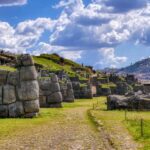
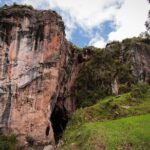
You begin with Stop 1: Sacsayhuaman. It’s the kind of place that sets the tone for the rest of the day because it anchors the tour’s theme: Inca civilization in the Cusco region, explained through site-by-site context.
Here’s what you’ll feel in the flow of the day. After you’re picked up for round-trip transport, you’re not stuck staring at a map for an hour. You’re on the road, then you’re at the first site early enough to actually absorb it. The visit is part of a schedule that stays realistic—enough time to learn, but not so long that you’re bored or cold.
What to watch for: because the day includes driving between multiple locations, the experience is partly timing management. If you’re sensitive to schedule changes, keep an easy mindset: there’s riding later, and the order of stops matters for comfort and logistics.
Puka Pucara and Tambomachay: two more Inca sites, paced for a half-day
Next come Stop 2: Puka Pucara, then Stop 3: Tambomachay. These stops keep the loop moving while still giving you a real guide-led context for each location. The tour is designed so you can see multiple major points without it becoming a full-day grind.
What makes these stops worthwhile for most people is that the guide isn’t just pointing and saying “this is old.” The tour focus includes learning about history and religious customs, which helps you understand why each site mattered to the Inca world rather than treating it like a checklist.
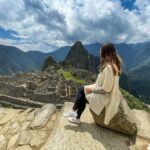
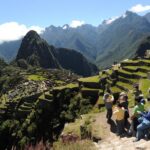
Also, the day stays visually rewarding. Even without getting overly technical, you’ll be near Cusco’s high-country scenery, and that matters because the ride and the visits feel like they belong in the same world. You’re not bouncing between totally unrelated environments.
Potential consideration: since you have several sites early in the day, build in a little patience for short transfers and turns. This tour is efficient, but it’s still a day in motion.
The Vieja Estancia Ranch horseback portion: safety, helmets, and the right horse for you
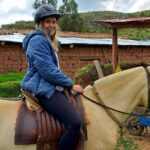
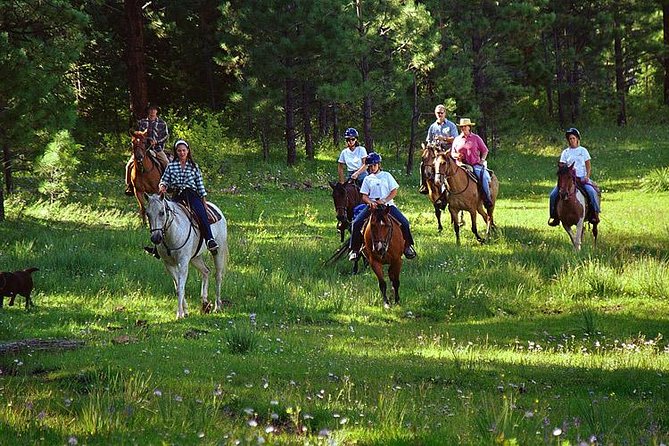
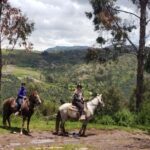
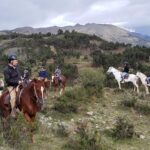
Stop 4 is the real mood shift: horseback riding in Cusco by Vieja Estancia Ranch. This is the part many people remember most, and it makes sense. The ride adds an energy that ruins visits alone can’t replicate—you’re moving through open areas with mountain views while the staff keeps things organized.
What’s included so you feel set up
- Saddle and safety helmets
- A muleteer whose job is to go to the care of the horses
- Water (mineral or natural water)

The comfort factor that matters
One of the strongest themes in the feedback is that the ranch team matches horses to the rider. If it’s your first time, they aim for calm and confidence. If you’ve ridden before, you may get a bit more room to enjoy the pace. People also praise the horses’ comfort and steady feel—useful if you’re nervous about riding in the Andes.
How long is the ride?
Plan on about an hour to about 1.5 hours of riding, while the overall day stays around 4 hours total including transport and site stops. The ride is often the highlight, but it’s still only one chunk of the day.
Important rule: no horse access into ruins
Here’s the key limitation. You won’t ride horses into the archaeological sites themselves. The tour keeps the ruin areas for preservation and for the walking/visiting portion. You may still spot small ruins while riding through nearby areas, but the protected site visits come separately.
That’s not a downside once you understand what you’re paying for. You’re getting both: horseback scenery and proper guided ruin access on foot.
Q’enqo to wrap: finish with another guide-led Inca site
Stop 5 brings you to Q’enqo. By this point, you’ve already had three earlier site stops and the horseback intermission. That matters because the final location often feels different: you’re not starting from zero. You’re comparing what the guide taught you earlier to a new place, and the story clicks into place.
This tour’s value at the end is the same as at the beginning: the guide keeps explaining the significance of what you’re seeing, including history and religious customs. If you liked the first stops, you’ll usually appreciate the final one because it completes the loop without overstaying.
My advice: pace yourself on the ride and early sites so you still have attention for the last stop. Q’enqo is the kind of location where the explanation is what turns it from scenery into understanding.
Price and what you really get for $95
At $95 per person for about 4 hours, this tour is priced like a practical Cusco half-day rather than a short add-on. You’re not just paying for a horse. You’re paying for:
- A professional guide across multiple sites
- Saddle and helmet equipment
- A muleteer for horse care
- Private car transport
- Water during the activity
In other words, the price reflects staffing and logistics: horses take care, people take time, and private transfers aren’t free. If you compare this to paying separately for a horse ride plus separate transport and guide interpretation, the bundle starts to make sense fast.
The part you should budget for: entrance fees
The one cost that catches people is archaeological access. The Cusco Touristic Ticket/entrance fee is not included. In practice, plan on paying the entrance costs directly to preserve the sites. If you want a clean budget, look at this as an add-on you should carry money for.
What to wear so you don’t fight the Andes
This is the kind of tour where clothing can make or break the comfort level.
Wear
- Long pants (jeans are recommended)
- Closed shoes with rubber soles or walking shoes
- Avoid jewelry and valuables during the ride
Bring
- A rain jacket if the forecast shows meaningful rain chances
- Sunscreen and basic sun protection even if it looks cloudy (Cusco sun can still surprise you)
And one small mindset tip: riding is physical. Tight, hard-to-move clothing is a bad idea. Comfortable jeans and sturdy shoes help you focus on the scenery instead of adjusting your gear every ten minutes.
Who this tour fits best (and who should skip it)
This experience is built for broad participation. It’s marked as suitable for people with little or no experience. The minimum age is 6 years, and the group cap at 15 helps keep attention on each rider.
It’s a great match if you:
- Want history without doing a long full-day ruin marathon
- Like the idea of getting out of Cusco streets and into higher-country scenery
- Prefer guided explanations over wandering ruins alone
- Have teens or mixed-experience groups and want activity plus learning
You should think twice if you:
- Need a tour where horseback riding happens for the whole day (it’s a portion of the schedule)
- Are hoping to ride directly inside archaeological zones (you won’t)
- Are over the stated limits: max weight is 200 lbs / 90 kilos
Should you book this horseback-and-Inca-sites tour?
If you want a Cusco day that’s both active and story-driven, I’d book it. The biggest wins here are the ride setup—helmets, careful horse handling, and horse matching—and the guide quality, with names like Benni, Hogler, and Jenny coming up for a reason. You’ll likely feel the day is worth the cost because you’re paying for transportation plus real interpretation, not just a quick scenic photo stop.
Just go in prepared for two realities: you’ll pay the archaeological entrance fees separately, and the horse portion doesn’t replace the guided ruin visits. If that fits your expectations, this is a strong choice for a memorable half-day in the Cusco region.
FAQ
How long is the horseback riding plus ruins tour?
It runs about 4 hours (approx.), including transport and the different site stops.
What does the tour cost?
The price is $95.00 per person.
Is horseback riding experience required?
No. The tour is suitable for participants with little or no experience.
What is included in the price?
You get a professional tour guide, saddle and safety helmets, a muleteer to care for the horses, water (mineral or natural), and round-trip transport by private car.
Are the archaeological entrance fees included?
No. The Cusco Touristic Ticket/entrance fees are not included.
What are the weight and age limits?
The maximum weight is 200 lbs / 90 kilos, and the minimum age is 6 years.
What should I wear for the ride?
Wear long pants (preferably jeans) and closed shoes with rubber soles or walking shoes. Bring a rain jacket if rain is likely.
What if the weather is bad or I need to cancel?
The experience requires good weather. If it’s canceled due to poor weather, you’ll be offered a different date or a full refund. You can cancel for a full refund up to 24 hours before the experience’s start time.