REVIEW · CUSCO
2-Day Short Inca Trail to Machu Picchu
Book on Viator →Operated by Andean Path Travel · Bookable on Viator
Short Inca Trail, long on meaning.
I love the KM 104 start and the fact you walk into history fast, reaching Wiñay Wayna and then the Sun Gate before you drop down toward Machu Picchu. I also like the small-group pace (max 10), which helps you keep up without feeling rushed. The main drawback to weigh is the schedule and altitude: day one and day two both involve real walking, and the early start on day two can feel like a shock.
This is a 2-day version of the Inca experience that still gives you the “thread” from train station to Sun Gate to the main site. Day one mixes trekking (plus waterfall views), ruins stops, lunch, and an overnight in Aguas Calientes. Day two is the classic Machu Picchu morning: a guided walk through the story of the site, then time to explore on your own.
In This Review
- Key Things That Make This 2-Day Inca Trail Work So Well
- Cusco to KM 104: Why This Short Inca Trail Feels Real
- Day One: Trek to Wiñay Wayna, Waterfalls, and the Sun Gate Lead-Up
- KM 104 to Wiñay Wayna (about 3 hours)
- Lunch, then onward to the Sun Gate (about 2 more hours)
- Down to Machu Picchu, then to Aguas Calientes
- Day Two: Early Walk, a Guided Machu Picchu History, Then Free Time to Explore
- Guided Machu Picchu for about two hours
- Free time: explore at your pace
- Train and bus back to Cusco
- Huayna Picchu Timing: The One Choice That Can Change Your Whole Day
- Small-Group Value: Why Max 10 Makes a Difference on the Trail
- What You Actually Get for $680 (And What You Still Need to Budget)
- Altitude, Pace, and Who This Trek Will Feel Great For
- When to Go and How to Think About the Weather Requirement
- Guides: Clear Explanations, Patient Pacing, and Better Sight Lines
- Should You Book This 2-Day Short Inca Trail?
- FAQ
- FAQ
- How long is the 2-Day Short Inca Trail to Machu Picchu?
- What city does the tour start from?
- Where does the trek start on day one?
- How strenuous is the trek?
- What ruins do you visit on day one?
- How long is the Machu Picchu guided portion?
- Is Huayna Picchu included?
- What’s included in the price?
- What is not included?
- Do I need good weather for this tour?
Key Things That Make This 2-Day Inca Trail Work So Well
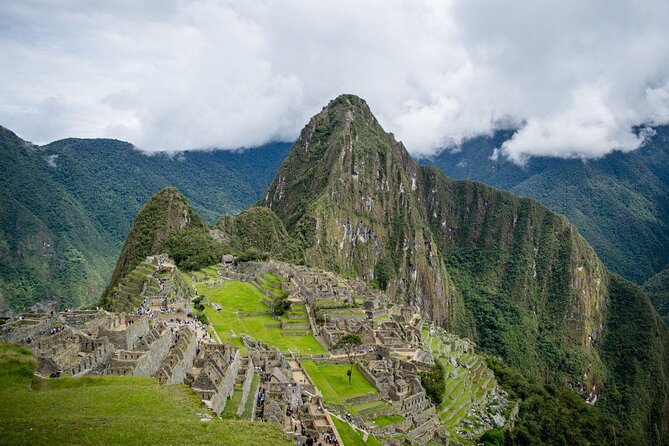
- KM 104 to Wiñay Wayna keeps the trek short without feeling like a token walk
- Sun Gate views act like a payoff point before you descend to Machu Picchu
- Small group limit (10) makes it easier to go at a human pace
- Guided Machu Picchu for about two hours means you’re not just looking at stones
- Optional Huayna Picchu climb if your day-two energy is still strong
- One lunch + one night hotel in Aguas Calientes reduces the daily logistical stress
Cusco to KM 104: Why This Short Inca Trail Feels Real
The big idea here is simple: you do not start far out. Instead, the trail begins at KM 104 by train from Cusco, then you start trekking right away. That matters because it cuts out the longer slog people associate with the classic multi-day Inca Trail, but you still get the key ingredients: altitude, Inca ruins along the route, and that ceremonial feeling of arriving near Machu Picchu from the Inca side.
You also get the benefit of structure. This trip is not “go figure it out.” A guide handles the timing between train, walking blocks, meals, the overnight base, and the train and bus back to Cusco. When you’re dealing with mountain weather and tight train schedules, that kind of planning is a big part of the trip value.
One more practical point: the trip is built for moderate physical fitness, not for couch-to-trail extremes. Day one includes a roughly 3-hour trek, then lunch, then another walk of about 2 hours. Day two includes an early start and about 1.5 hours of walking before you reach Machu Picchu.
You can also read our reviews of more tours and experiences in Cusco
Day One: Trek to Wiñay Wayna, Waterfalls, and the Sun Gate Lead-Up
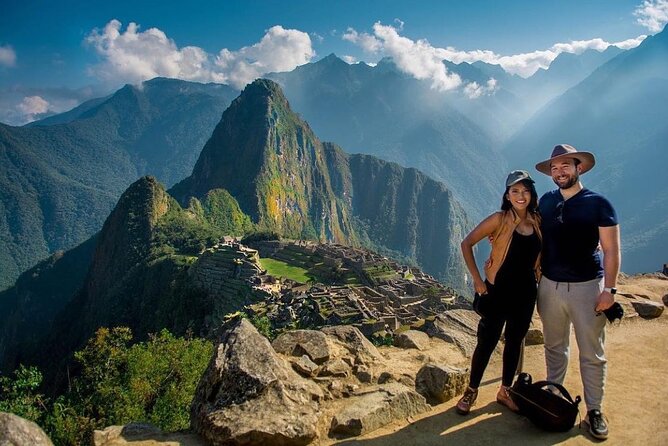
Day one starts with a hotel transfer to the train station in Cusco. Then you take the train to KM 104. This train segment is not just transportation; it’s a warm-up rhythm. You arrive at the exact trail start, rather than trying to “find the trail” after a long Cusco morning.
KM 104 to Wiñay Wayna (about 3 hours)
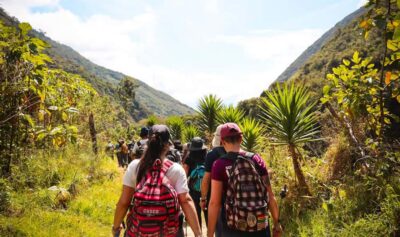
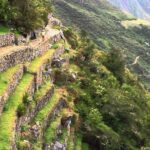
From KM 104, you trek for about 3 hours up to the well-preserved remains of Wiñay Wayna at around 2,900 meters. This is where the trip starts feeling like the real Inca Trail—narrow paths, stonework, and that quiet attention you tend to bring to ancient places.
The route also includes waterfall views, and that’s not a throwaway detail. On Inca routes, water means micro-climates: cooler air, slick stones in spots, and sometimes lush vegetation along the edges. Even if you’re not a hiking “nature person,” it adds movement to the scenery and breaks up the monotony of just walking uphill.
Lunch, then onward to the Sun Gate (about 2 more hours)
After lunch, the day keeps going for about 2 more hours. This is the lead-up toward the Sun Gate, a key approach point that helps you understand the geography of Machu Picchu.
What I like about this sequencing is that it sets up the big reveal without turning the whole day into one long climb. You get to rest, eat, then continue to a major viewpoint. You also get photo time as you reach the Sun Gate and before you descend.
Down to Machu Picchu, then to Aguas Calientes
After the Sun Gate area, the group heads down toward the Machu Picchu Inca site for more photos. Then you overnight in Aguas Calientes, the town below the Machu Picchu entrance.
Aguas Calientes is not known for being fancy. But for this itinerary, it’s a smart choice: it positions you for an early day-two start, and it saves you from getting up at an even more punishing hour than you already will.
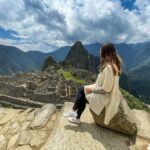
Day Two: Early Walk, a Guided Machu Picchu History, Then Free Time to Explore
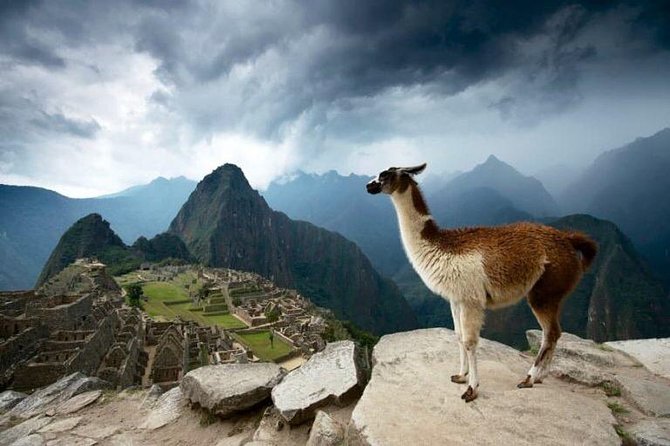
The day-two plan is straightforward: early start, short trek, guided site time, then independence. You begin after breakfast with about 1.5 hours of walking until you reach the point where Machu Picchu is revealed.
This walk is important because it keeps the day from becoming only a bus-and-ticket day. You arrive with your senses turned on. If you do not love long days, take heart: this is still short compared to the classic multi-day trail format.
Guided Machu Picchu for about two hours
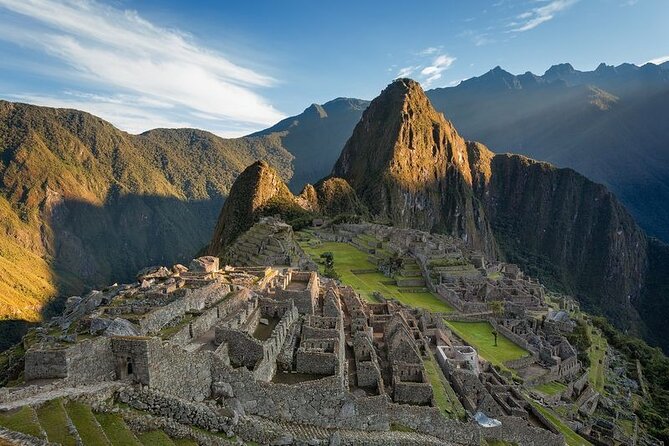
Once you’re at the site, your guide explains Machu Picchu history for roughly two hours. This is where a guide earns their keep. Machu Picchu is a complex place—terraces, water channels, architecture, and Inca planning. With a guide, you’re not just scanning stone walls; you’re learning what you’re looking at and why it mattered.
From the guide names shared by past guests, I’d pay attention to the style you’ll likely get. Melquiades and Ricardo show up frequently in people’s comments for being patient, organized, and able to connect the ruins to broader Peruvian and Inca context. Franklin and Ronald are also mentioned for a supportive pace, including for travelers who move slower.
The practical takeaway: the best guide is the one who keeps the group moving but lets you pause when you want photos or explanations.
Free time: explore at your pace
After the guided portion, you get free time. That is a real gift on Machu Picchu, because you can linger in the spots that grab you, revisit a view you missed, and not feel like you’re in a museum conveyor belt.
This is also when you can plan a big add-on if you want it: Huayna Picchu. If conditions and your schedule line up, you can climb it for about 1 hour up and 1 hour down.
Train and bus back to Cusco
When Machu Picchu time ends, you have to return to Aguas Calientes station to catch the train back to Ollantay and then take the bus back to Cusco. This is the part where you should stay organized even if you’re relaxed. Once you start moving late, you will feel it in your timetable fast.
Huayna Picchu Timing: The One Choice That Can Change Your Whole Day
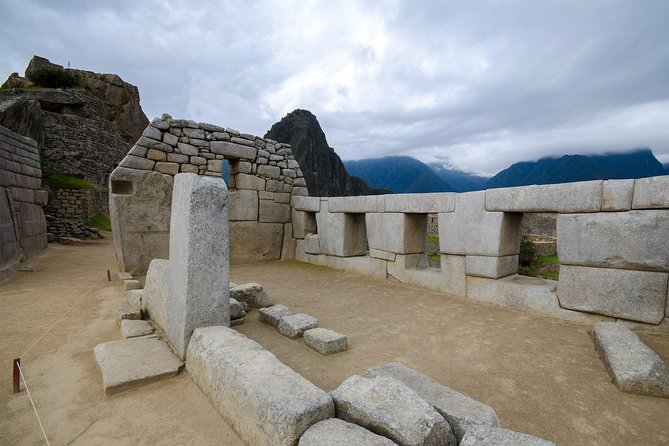
Huayna Picchu is optional, and that matters because it changes your energy plan. The climb is about 1 hour up and 1 hour down, so you should treat it like a second activity, not a casual detour.
If you want Huayna Picchu, I’d plan backwards: decide your latest return time to the station, then work backward to set a clear window for the climb plus buffer time. That buffer is not overkill. Mountain weather can shift quickly, and you might want a few minutes to regroup, drink water, and enjoy the views without rushing.
Also, note the weather reality. This tour requires good weather. If Huayna Picchu is the reason you booked, keep a flexible attitude about timing and conditions.
Small-Group Value: Why Max 10 Makes a Difference on the Trail
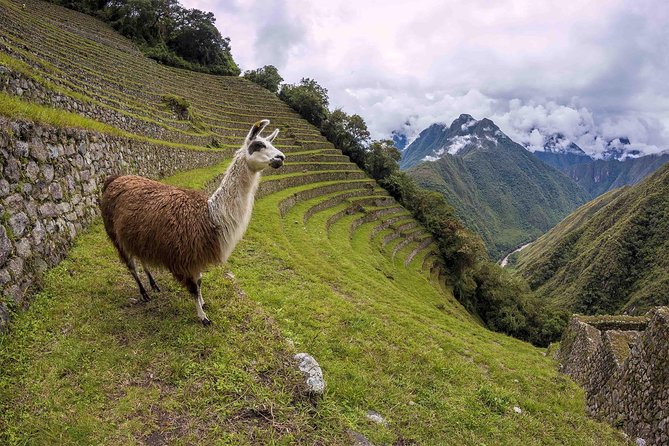
A max group size of 10 travelers is not a marketing detail here. On the Inca Trail routes, timing matters: you need to keep moving when you should, and you need to slow down when someone needs a pause. Smaller groups make that easier for the guide and calmer for you.
It can also affect your photo experience. With a tighter group, your guide can more easily suggest viewpoints, space people out for pictures, and wait just long enough for good light or a better angle. Several guide-focused comments highlight this kind of patient support, especially for solo travelers or people who wanted to hike at their own pace.
If you like meeting people but hate big-group chaos, this tour’s size hits a sweet spot. You still get shared energy, but the day stays manageable.
What You Actually Get for $680 (And What You Still Need to Budget)
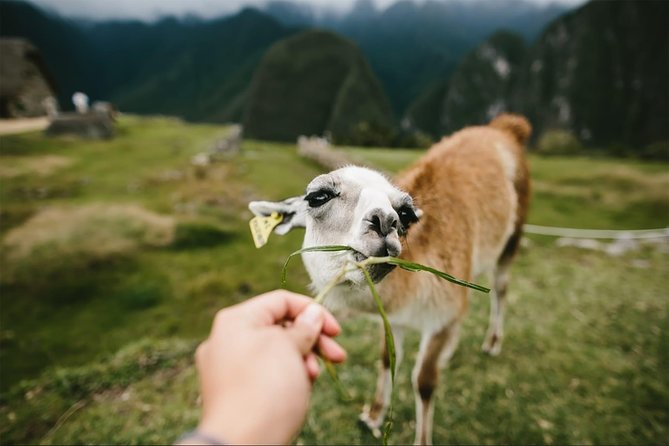
At $680 per person, this trip isn’t cheap. The value question is whether you’re paying for effort you’d otherwise have to manage yourself. Here, you’re paying for a lot of the hard parts:
Included items:
- Guide
- Train tickets
- Transport
- Machu Picchu entrance fee
- Bus ticket round trip
- One night hotel in Aguas Calientes
- One lunch
Not included:
- One dinner
- Last day lunch
So you should budget meals in Cusco and in Aguas Calientes beyond the included lunch. That said, the big win is that the core components are covered: tickets, entrances, guiding, and lodging for the crucial overnight.
Another value factor is time. A 2-day itinerary gives you Machu Picchu access without eating up your whole week. If your Peru window is tight, this format can be the difference between seeing Machu Picchu now or delaying to a future trip.
Altitude, Pace, and Who This Trek Will Feel Great For
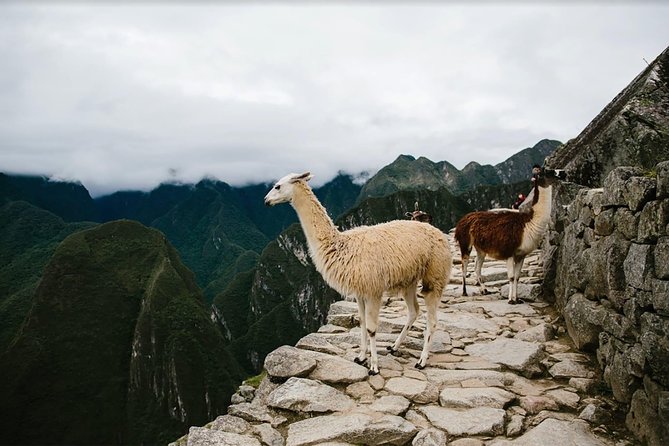
This experience calls for moderate physical fitness. The trail is not described as extreme, but you are hiking at elevation and doing multi-block walking each day.
Here’s how I’d judge whether it fits you:
- If you can handle a few hours of uphill walking and you recover okay between stops, you’re likely a fit.
- If you get winded easily at altitude, you might still do it, but go slower than you think you need to and listen to your guide.
- If you’re someone who likes structure and safety, the small group and local guiding style should suit you.
This is especially friendly for travelers who want a taste of the Inca Trail without committing to a longer trek. The itinerary keeps the “Inca Trail to Machu Picchu” feeling intact while trimming the time commitment.
When to Go and How to Think About the Weather Requirement
The tour requires good weather. That means the experience depends on visibility and conditions. If conditions are poor, you’ll be offered a different date or get a full refund (per the tour’s terms).
In practice, it’s wise to book with your overall Peru schedule in mind. Try not to plan Machu Picchu as your only fixed moment if you can avoid it. Build in flexibility if your itinerary allows.
Also, the Machu Picchu site has set opening hours listed for the date range provided: Monday to Sunday, 5:30 AM to 5:00 PM. Your day-two plan aligns with early access. That’s a good thing, even if it means you’re up before you’d normally like to be.
Guides: Clear Explanations, Patient Pacing, and Better Sight Lines
The strongest pattern in the guide-related feedback is how much people appreciated their guides’ communication and organization. Names that come up include David and Alicja for pre-trip communication and confidence-building, Melquiades for detailed explanations and a patient hiking approach, Ricardo for turning the trek into more than just steps, Franklin for a kind pace, and Ronald for supportive encouragement, including for older walkers.
You can’t choose the guide from the information you shared, but you can still use this as a buying signal. The company’s guiding style seems to focus on making sure you understand what you’re seeing and that you don’t feel left behind.
If you care about history, this is the right match. Machu Picchu is better when you know what you’re looking at and where to stand for certain views. A two-hour guided explanation followed by free time is a nice balance.
Should You Book This 2-Day Short Inca Trail?
I think this tour is a strong choice if you want Machu Picchu with an Inca Trail walking component but you do not want to spend days on the trail. The KM 104 start, the Sun Gate lead-up, and the overnight in Aguas Calientes make it feel like a real journey rather than a rushed day trip.
You should consider a different option if you:
- Hate early mornings and tight train/bus timing,
- Struggle with elevation and a few hours of uphill walking,
- Or want a fully relaxed Machu Picchu day with no optional climb planning.
If you can handle moderate fitness and you’re excited by the idea of arriving at Machu Picchu with context, this is a solid value for what it includes: tickets, guiding, entrance, lodging, and one proper trail day.
FAQ
FAQ
How long is the 2-Day Short Inca Trail to Machu Picchu?
It’s about 2 days.
What city does the tour start from?
The tour is based in Cusco, Peru and includes transportation from Cusco.
Where does the trek start on day one?
Day one starts after the train to KM 104.
How strenuous is the trek?
The tour is for travelers with moderate physical fitness, and it involves multi-hour walking on both days.
What ruins do you visit on day one?
Day one includes trekking to Wiñay Wayna, then continuing toward the Sun Gate.
How long is the Machu Picchu guided portion?
At Machu Picchu, the guide provides history and explanations for about two hours, followed by free time.
Is Huayna Picchu included?
Huayna Picchu is not described as included, but it’s an optional climb you can do on day two for about 1 hour up and 1 hour down.
What’s included in the price?
The price includes a guide, one lunch, transport, train tickets, the Machu Picchu fee, one night hotel in Aguas Calientes, and a round-trip bus ticket.
What is not included?
It does not include one dinner and the last day lunch.
Do I need good weather for this tour?
Yes. The experience requires good weather, and if it’s canceled due to poor weather, you’ll be offered a different date or a full refund.