REVIEW · CUSCO
Mystic Cusco: Huasao, Valley of the Goblins and Morada
Book on GetYourGuide →Operated by explorer southamerica · Bookable on GetYourGuide
Stone worlds and wild birds in one day. This Mystic Cusco outing strings together limestone Andean carvings in Sencca and bird-watching at the Huasao Wetland, then tops it off with fantasy sculptures inspired by Lord of the Rings and even wood action figures. It’s a different kind of Cusco day: less about monuments and more about stepping into storybook landscapes with real Andean symbolism.
I especially like how the stops feel themed but still connected to place: puma shapes, Pachamama references, apus, and Wiracocha energy at the first stop, then nature and creatures at the wetlands. One drawback to keep in mind: English guide logistics can be hit-or-miss, and you should confirm timing and language carefully before you go, because there have been problems with delayed pickup and language handoffs.
In This Review
- Key things to know before you go
- The day’s rhythm: 9:50 am pickup to about 6:30 pm
- Sencca’s Abode of the Gods: limestone myths, giant figures, big meanings
- Valley of the Goblins near San Sebastián: chinkanas, hidden figures, and Andean rock culture
- Huasao Wetland: birds, wood characters, and a calmer pace
- Forest of the Ents: Lord of the Rings-style sculptures made from roots and logs
- Price and value: paying about $40 for transportation, guide, and tickets
- The main thing that can make or break your day: guide language and timing
- Who this tour fits best in Cusco
- Should you book Mystic Cusco: Huasao, Valley of the Goblins and Morada?
- FAQ
- What time does the tour start?
- How long is the tour?
- What are the main stops on the route?
- What languages are offered for the tour guide?
- Is transportation included?
- What’s included in the ticket price?
- What should I bring?
- Is lunch included?
- Is the tour suitable for wheelchair users or visually impaired people?
- What items are not allowed during the tour?
Key things to know before you go
- Sencca’s limestone sculptures mix recognizable Andean figures with symbolic “myth-world” design.
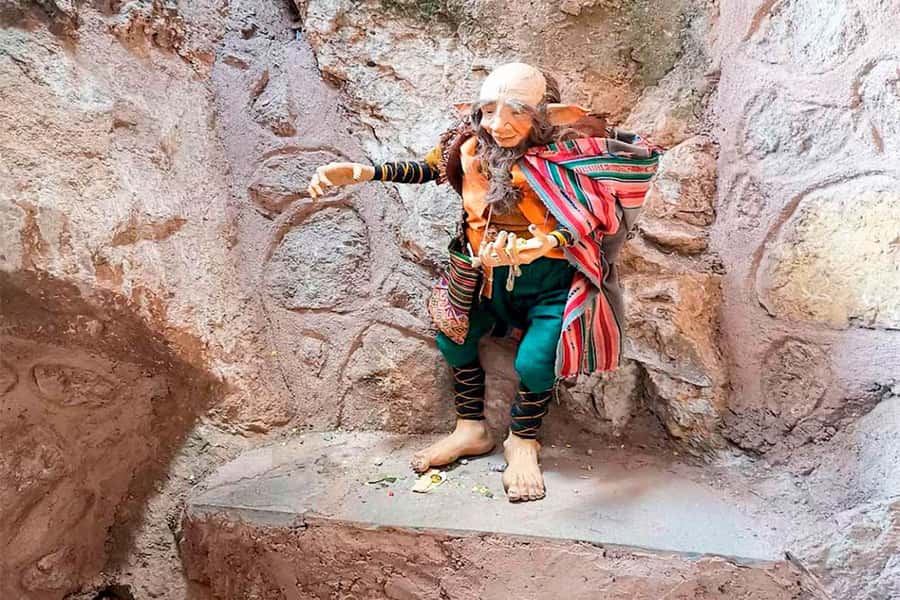
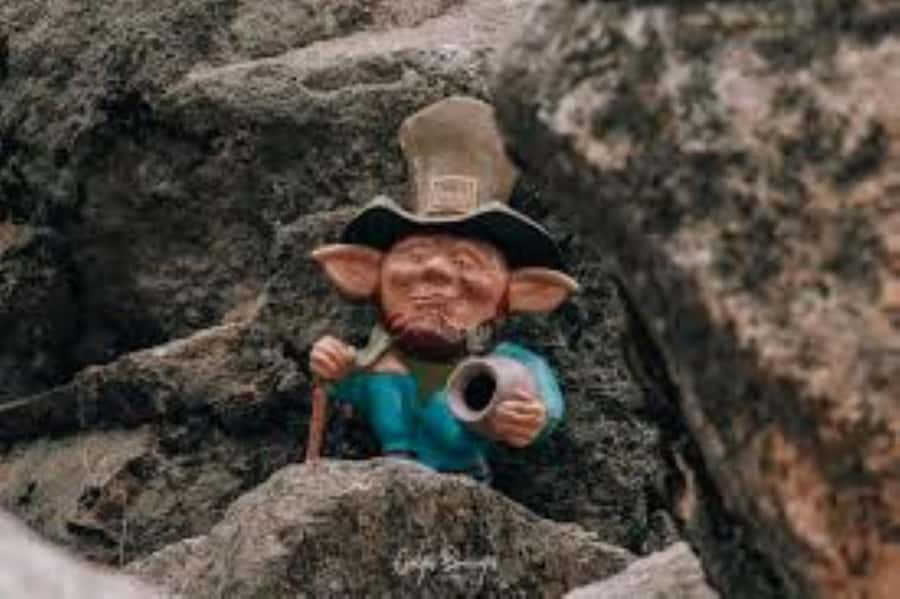
- Valley of the Goblins is built around stone carvings and rock features where you’ll spot hidden goblin-like forms.
- Huasao Wetland isn’t just scenery; it’s a pause for birds and a stop with wooden character figures.
- Lord of the Rings-style Ents in the forest are made from roots and logs, so you get the vibe without a museum feeling.
- Timing and guide language are the real variables, so plan to double-check details via WhatsApp.
The day’s rhythm: 9:50 am pickup to about 6:30 pm
You start with hotel pickup near or inside Cusco’s historic center at 9:50 am. The excursion is listed as 8 hours, and in practice you’re typically back in Cusco around 6:30 pm. That end time matters. You’ll want a low-stress dinner plan afterward, because you’ll likely arrive tired-but-happy.
This is also the kind of day where your comfort gear helps. You’ll be in outdoor areas and walking at multiple stops, so wear comfortable clothes and bring a sun hat. The tour lasts long enough that you’ll feel the difference between packing for shade versus packing for pictures only.
You can also read our reviews of more tours and experiences in Cusco.

Sencca’s Abode of the Gods: limestone myths, giant figures, big meanings
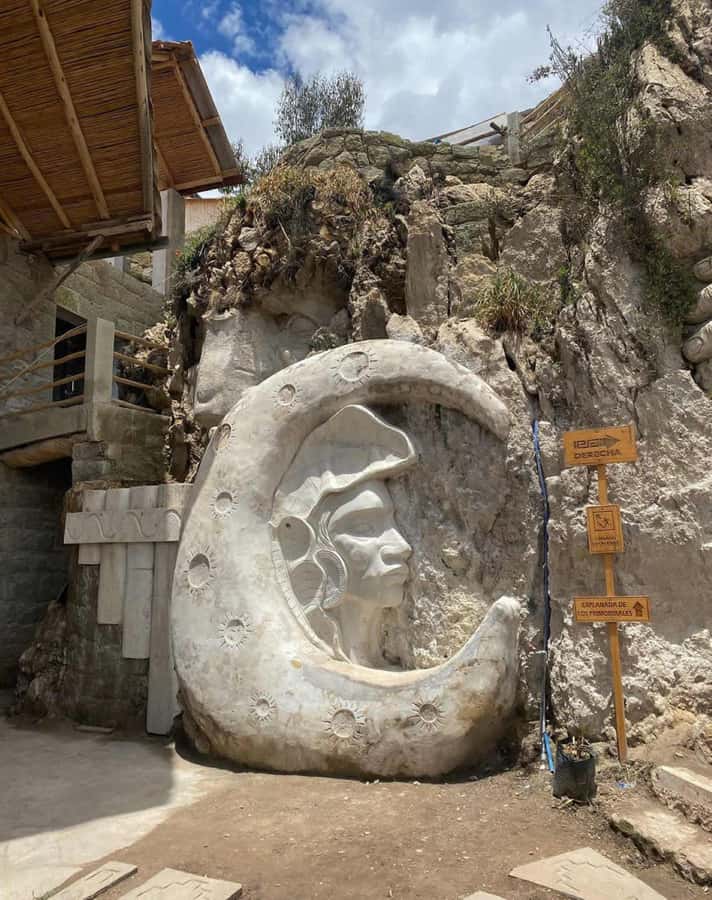
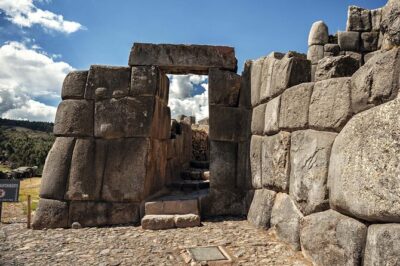
Your first main destination is the Abode of the Gods in the village of Sencca. This is where the tour’s “fantasy-meets-Andes” approach really lands. You’ll be standing in front of huge sculptures carved in limestone, and the shapes aren’t random decoration. They point to key Andean concepts and protective spiritual figures.
Look for:
- A puma carved as a strong symbol of Andean power and nature
- A three-dimensional door, which gives the space a “threshold” feel
- Protective Apu figures, including God Wiracocha
- Pachamama references that connect the sculptures to the earth-and-life worldview
Why this stop is worth your time: it’s not just pretty rockwork. It gives you a way to read the rest of the day. Once you notice how symbolism is built into the forms here, you’ll understand why later areas lean into mystical storytelling.
A practical tip: take your time at the first stop. This is where you’ll get your bearings for the whole trip, because the later sculptures play off themes introduced here.
Valley of the Goblins near San Sebastián: chinkanas, hidden figures, and Andean rock culture
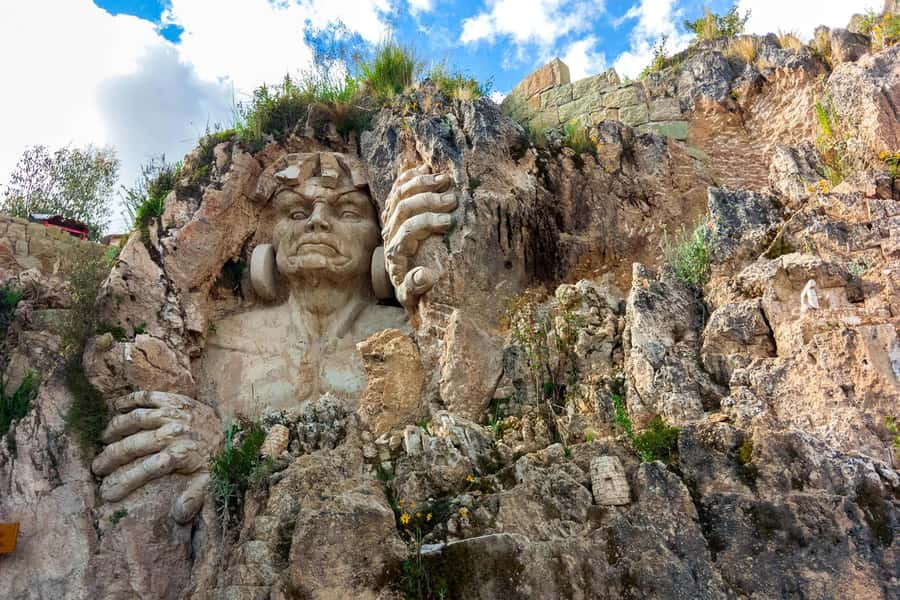
Next you head toward the Valley of the Goblins in the district of San Sebastián. This area is shaped around stone carvings tied to Andean culture, plus the fun part: you can spot several goblin-like figures hidden among rocks and along chinkanas (rock features that feel like natural corridors).
If you enjoy scavenger-hunt travel, this stop works well. You’re not just looking forward; you’re scanning the rock details, trying to catch the figures as your eyes adjust to the shapes.
What I like about the Valley of the Goblins for real-world travelers: it breaks up the day with motion and surprise. Even if you’ve seen plenty of Peru stone craft before, this feels more like a playful interpretation than a strict cultural display.
Possible drawback: because this is a “find the details” stop, it can feel less satisfying if you rush. Give yourself time to look slowly, especially if you’re hoping to catch the goblin-like forms.
Huasao Wetland: birds, wood characters, and a calmer pace
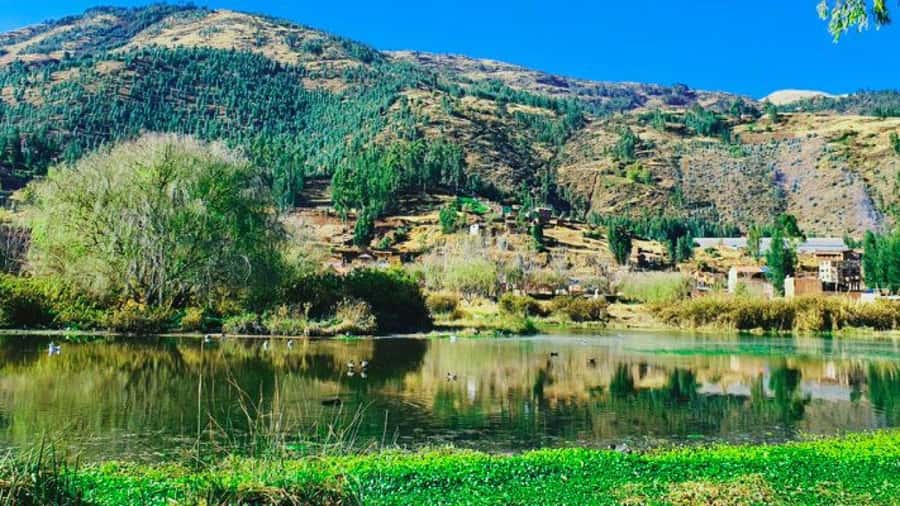
After the rocky goblin vibes, you move to the Huasao District to visit the Huasao Wetland. This is one of the best resets in the itinerary. You get a more natural environment, plus the tour includes striking wooden action-figure-style sculptures such as Groot, Baby Groot, Ents, and other character figures.
Then come the animals. The wetland is home to several species of birds, including wild ducks. Even if you’re not a hardcore birder, you’ll likely feel the difference between wide-open wetlands and the earlier stone stops. It’s the moment where the tour slows down enough for you to breathe.
Why this stop adds value beyond entertainment: birds and water make the whole day feel less like you’re just driving from attraction to attraction. It’s also a great place to cool off a little, take photos, and do a mental checklist of what you want to see next without rushing.
Quick practical advice: bring your eyes and your patience. Birds don’t sit still for cameras, so expect more “glimpses and calls” than perfect shots.
Forest of the Ents: Lord of the Rings-style sculptures made from roots and logs
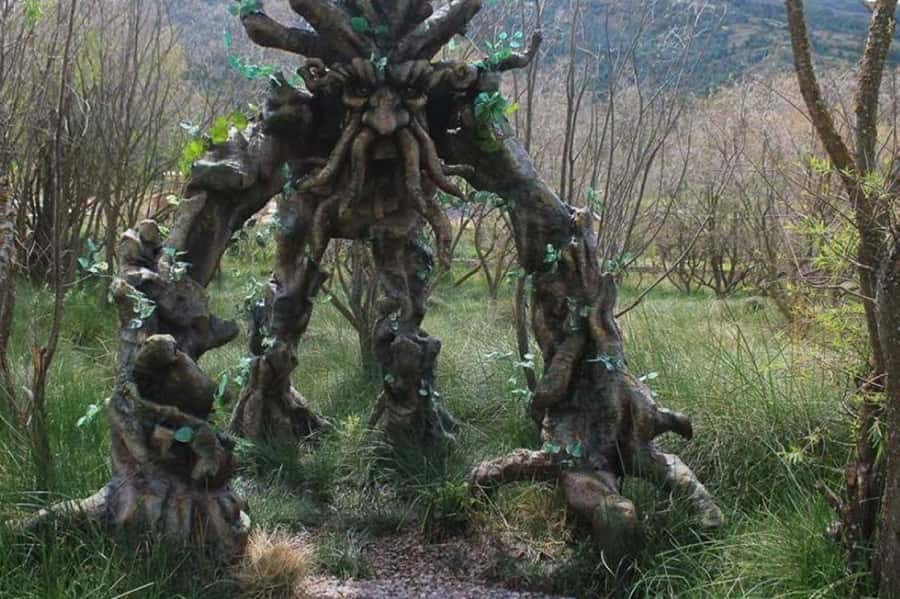
Your final destination is the Forest of the Ents. This is the most “fantasy” stop of the day, and it’s designed to feel natural at the same time. Sculptures inspired by Lord of the Rings are made from roots and logs, so the characters blend into the forest setting instead of looking like they were dropped into a clear space.
Among the characters you may see:
- Barbol
- Ungoliant
- The house of the Hobbits
- Balin
- Fimbrethil
- Other figures
This is the part of the tour you’ll remember when you’re back in Cusco: it’s the visual payoff. The earlier stops teach you the language of myth-symbols; the forest gives you the big visual fan-favorite moment.
A thoughtful consideration: because this is an ecological space with outdoor sculptures, conditions can affect how comfortable you feel. Wear shoes and clothes that handle uneven ground, and don’t plan on staying static long. Expect to walk, turn, and look from different angles.


Price and value: paying about $40 for transportation, guide, and tickets
At $40 per person, this tour lands in the budget-friendly-to-mid range for a full day with multiple sites. What you’re getting for that price:
- Round trip transportation
- A professional guide
- tickets
Not included:
- Lunch in Saylla
- Extra expenses
- drinks
Here’s how I’d judge value if you’re deciding in advance: the route is packed—Sencca, Valley of the Goblins, Huasao Wetland, and then the Forest of the Ents. With this many stops, the transportation and tickets matter. You’re not paying just for one landmark; you’re paying for a guided “loop” that would be harder to plan on your own.
Budget tip: since lunch isn’t included, plan for a basic meal stop and keep cash available. If you forget this, you can lose time hunting for a place to eat during the day.
The main thing that can make or break your day: guide language and timing
This tour’s concept is fun and specific, but the execution depends on communication. The tour offers Spanish and English guided options, yet there have been real problems with English availability and last-minute changes.
One documented example: a guide named Wilson was involved in a switch situation where the traveler expected English, but the pick-up ended up relying on Spanish and then a different guide named Yupanqui. Yupanqui tried to explain in English, but it wasn’t enough for comfortable understanding. The result was a lot of extra effort using a translator app instead of enjoying the narration.
Timing has also been an issue. There’s at least one report of a very late pickup where an 8-hour outing became closer to 3 hours. Even if your experience is smooth, this is why I’d treat the logistics as a real part of your planning.
What you should do (seriously):
- Use the required WhatsApp number with the correct country code for the back-and-forth before you go.
- Ask for a straight confirmation of your language (English, if that’s what you need) and your departure time.
- If you care about understanding every stop, don’t assume the guide swap will solve itself. Push for clarity early.
Who this tour fits best in Cusco
This is a great match if you like:
- Themed travel with myth, sculpture, and playful detail
- Walking and noticing shapes, not just ticking off sites
- A day that mixes “Andean symbolism” with pop-culture-style fantasy (Ents, Groot-style figures)
It’s also a good choice if you want an alternative to the usual classic Cusco day tours. Instead of only visiting historic ruins, you’re experiencing a creative, landscape-based art interpretation tied to Andean references.
Who may feel less thrilled:
- If you need guaranteed English throughout without any switching, you’ll want to be extra cautious and confirm details.
- If you hate waiting or schedule shifts, build in flexibility. This is the kind of day where one delay can shorten your enjoyment.
Should you book Mystic Cusco: Huasao, Valley of the Goblins and Morada?
If you’re the type who enjoys visual storytelling—giant pumas, door symbols, goblins hidden in stone, birds at a wetland, and Lord of the Rings-inspired Ent sculptures—this tour can be a very memorable Cusco day. The strongest value is the mix: sculpture variety + nature time + a clear fantasy theme.
But if English-language comfort is non-negotiable for you, or if you’re traveling with tight timing and can’t handle a schedule wobble, I’d only book after you’ve confirmed your guide language and departure time through WhatsApp.
Overall, I’d call it a fun, unusual choice for travelers who like their Peru travel days a little strange—in the best way.
FAQ
What time does the tour start?
Hotel pickup begins at 9:50 am near or within Cusco’s historic center.
How long is the tour?
The duration is about 8 hours, with return to Cusco around 6:30 pm.
What are the main stops on the route?
You visit the Abode of the Gods in Sencca, the Valley of the Goblins in San Sebastián, the Huasao Wetland, and the Forest of the Ents.
What languages are offered for the tour guide?
The tour guide language options are Spanish and English.
Is transportation included?
Yes. Round trip transportation is included.
What’s included in the ticket price?
Included items are round trip transportation, a professional guide, and tickets.
What should I bring?
Bring your passport, a sun hat, comfortable clothes, and cash.
Is lunch included?
No. Lunch in Saylla is not included.
Is the tour suitable for wheelchair users or visually impaired people?
No. It is not suitable for wheelchair users or visually impaired people.
What items are not allowed during the tour?
Alcohol and drugs are not allowed.